Understanding how the Social Security Administration (SSA) evaluates medical conditions is the first step toward…
7 Powerful Strategies for the SSD/SSI Appeals Process Guidelines: Avoiding Dismissals and Winning Your Case
7 Powerful Strategies for the SSD/SSI Appeals Process Guidelines: Avoiding Dismissals and Winning Your Case
Navigating the SSD/SSI appeals process guidelines is one of the most stressful experiences a person can face. For residents across Virginia, from the bustling streets of Richmond to the rural communities of the Shenandoah Valley, a disability hearing represents the light at the end of a very long, dark tunnel. You have waited months—sometimes years—for this 1.1% density-targeted opportunity to speak with an Administrative Law Judge (ALJ). But what happens when life throws a curveball on the very morning of your hearing? What if a medical emergency, a transportation breakdown on I-95, or a family crisis makes it impossible to attend?
The Social Security Administration (SSA) operates under a strict set of rules. If you fail to appear and do not follow the specific SSD/SSI appeals process guidelines for postponements and adjournments, your case can be dismissed without a second thought. A dismissal is more than just a delay; it can mean the loss of your protective filing date and thousands of dollars in back pay. This comprehensive guide is designed to provide you with the expert insights needed to preserve your rights, prove “Good Cause,” and ensure your claim remains active and successful.
Table of Contents
- The Foundations of the SSD/SSI Appeals Process Guidelines
- Postponement vs. Dismissal: Knowing the Difference
- Defining “Good Cause”: The Legal Standard for Missing a Hearing
- Strategic Continuance Requests: When to Ask for More Time
- Responding to a “Show Cause” Order: Your Last Line of Defense
- Using Adjournments to Strengthen Medical Evidence
- Virginia and Surrounding States: Local Hearing Office Nuances
- The Role of Expert Representation in Preventing Dismissals
- Watch and Listen: Expand Your Understanding
- Essential Reading for Your Disability Journey
- Frequently Asked Questions
The Foundations of the SSD/SSI Appeals Process Guidelines
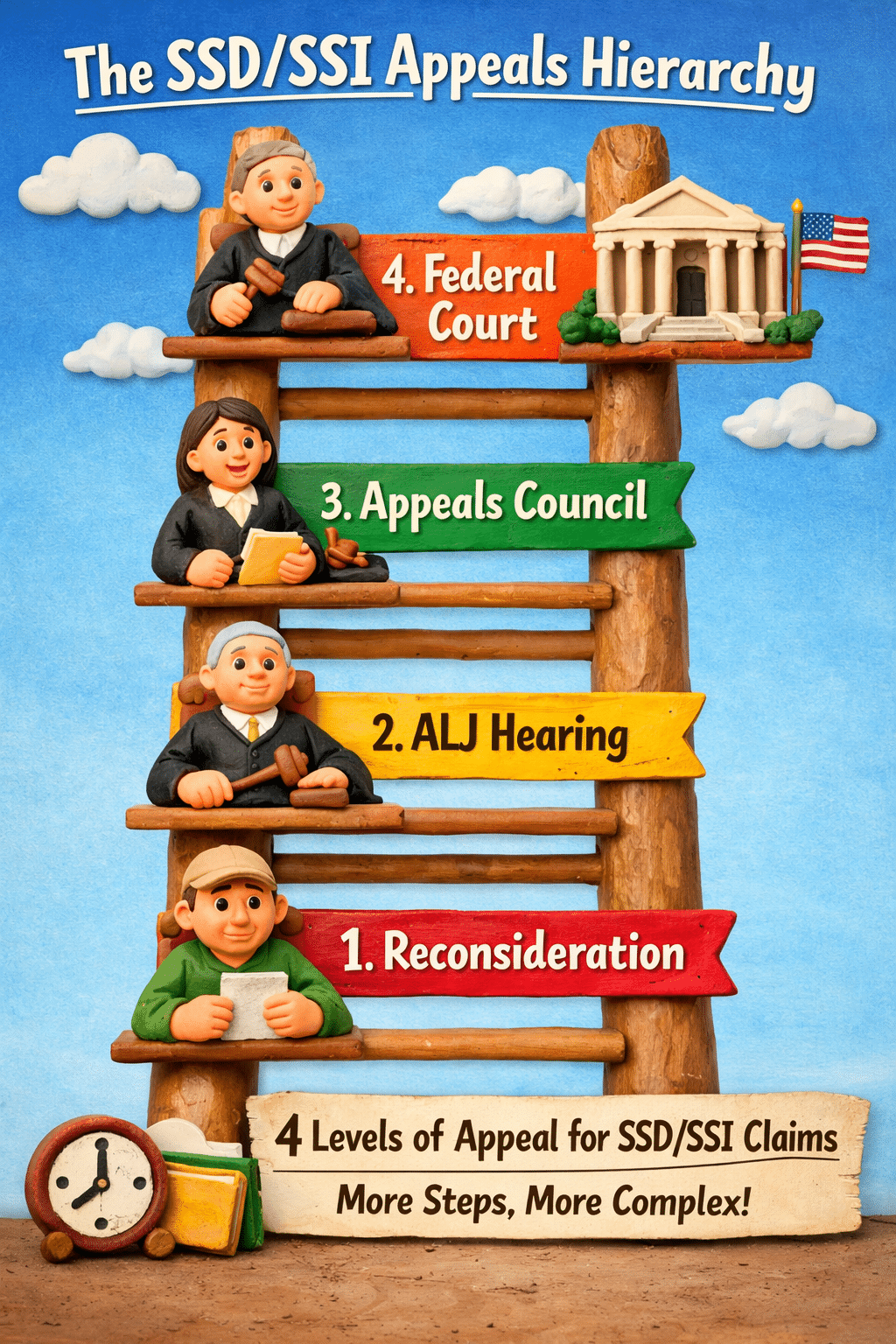
To win your benefits, you must first understand that the SSD/SSI appeals process guidelines are hierarchical. Most claimants start with a Request for Reconsideration. In Virginia, this is a mandatory step where a different state-level examiner reviews your file. If that is denied—as many are—the next level is the Administrative Law Judge (ALJ) hearing. This is the first and often only time you will interact directly with the person deciding your fate.
The SSD/SSI appeals process guidelines at the hearing level are governed by the Hearings, Appeals, and Litigation Law manual (HALLEX). These rules dictate how a judge must handle your request for a postponement. Understanding these internal SSA manuals is what separates top-notch copywriters and legal experts from the average claimant. The goal of the hearing is to provide a full and fair review of your medical impairments. If circumstances prevent that fair review, the SSD/SSI appeals process guidelines provide mechanisms for adjournment—but only if you know how to use them.
Postponement vs. Dismissal: Knowing the Difference
One of the most crucial distinctions in the SSD/SSI appeals process guidelines is the difference between a postponement (often called a continuance) and a dismissal. A postponement is a procedural pause. It means the hearing will not happen today, but it will be rescheduled for a future date. This preserves your onset date and your back pay.
A dismissal, on the other hand, is a fatal blow to your current claim. If an ALJ dismisses your request for a hearing because you failed to appear, the reconsideration denial becomes the final decision of the Commissioner. In the SSD/SSI appeals process guidelines, this is often the point where claimants give up, believing they have reached the end of the road. However, even a dismissal can sometimes be vacated if you act within 60 days and show Good Cause. But as experienced Virginia lawyers, we tell our clients: it is much easier to prevent a dismissal than it is to reverse one.
Defining “Good Cause”: The Legal Standard for Missing a Hearing
If you miss your hearing, the SSD/SSI appeals process guidelines require the judge to determine if you had “Good Cause.” This isn’t a vague term; it is specifically defined in HALLEX I-2-4-25. The judge must consider whether your physical, mental, or educational limitations prevented you from attending.
Commonly accepted reasons for Good Cause in Virginia:
- Serious Illness: Not just a common cold, but a medical crisis or hospitalization that made travel or participation impossible.
- Death in the Immediate Family: The loss of a spouse, parent, or child is almost always accepted as Good Cause.
- Natural Disasters: If a hurricane or snowstorm hits the Tidewater area or Northern Virginia, the SSA usually grants a blanket continuance for affected claimants.
- Lack of Notice: If the SSA sent the notice to an old address despite you providing a change of address, you have a strong argument that you were never properly notified.
In the SSD/SSI appeals process guidelines, documentation is king. If your car broke down, you need a mechanic’s receipt. If you were in the ER, you need discharge papers. Without verifiable proof, a judge is much more likely to issue a dismissal.

Strategic Continuance Requests: When to Ask for More Time
Sometimes, the SSD/SSI appeals process guidelines actually benefit from a delay. A strategic continuance is requested before the hearing date. Why would you want to wait longer? The most common reason is missing medical evidence. If you recently had a spinal surgery or a new biopsy, and those records haven’t arrived yet, holding the hearing without them could result in a denial.
In Virginia, we often request a continuance if a key witness—such as a vocational expert or a treating specialist—becomes unavailable. Another reason is to secure legal representation. If you arrive at a hearing without a lawyer, the ALJ is legally required to ask if you want to proceed alone or postpone to find an SSD attorney. In almost every case, the SSD/SSI appeals process guidelines suggest that representation significantly increases your chances of winning.
Responding to a “Show Cause” Order: Your Last Line of Defense
If you miss your hearing, don’t panic, but act fast. The SSD/SSI appeals process guidelines state that the ALJ will usually send a “Notice to Show Cause for Failure to Appear.” This letter gives you 10 days to explain yourself. If you ignore this letter, your case will be dismissed.
Your response to this notice should be professional, concise, and backed by evidence. This is where Harbison & Kavanagh steps in for our clients. We draft a formal legal brief explaining the circumstances and attaching the necessary proof. We ensure your response is filed within the strict deadlines of the SSD/SSI appeals process guidelines, moving the case back onto the active docket.
Using Adjournments to Strengthen Medical Evidence
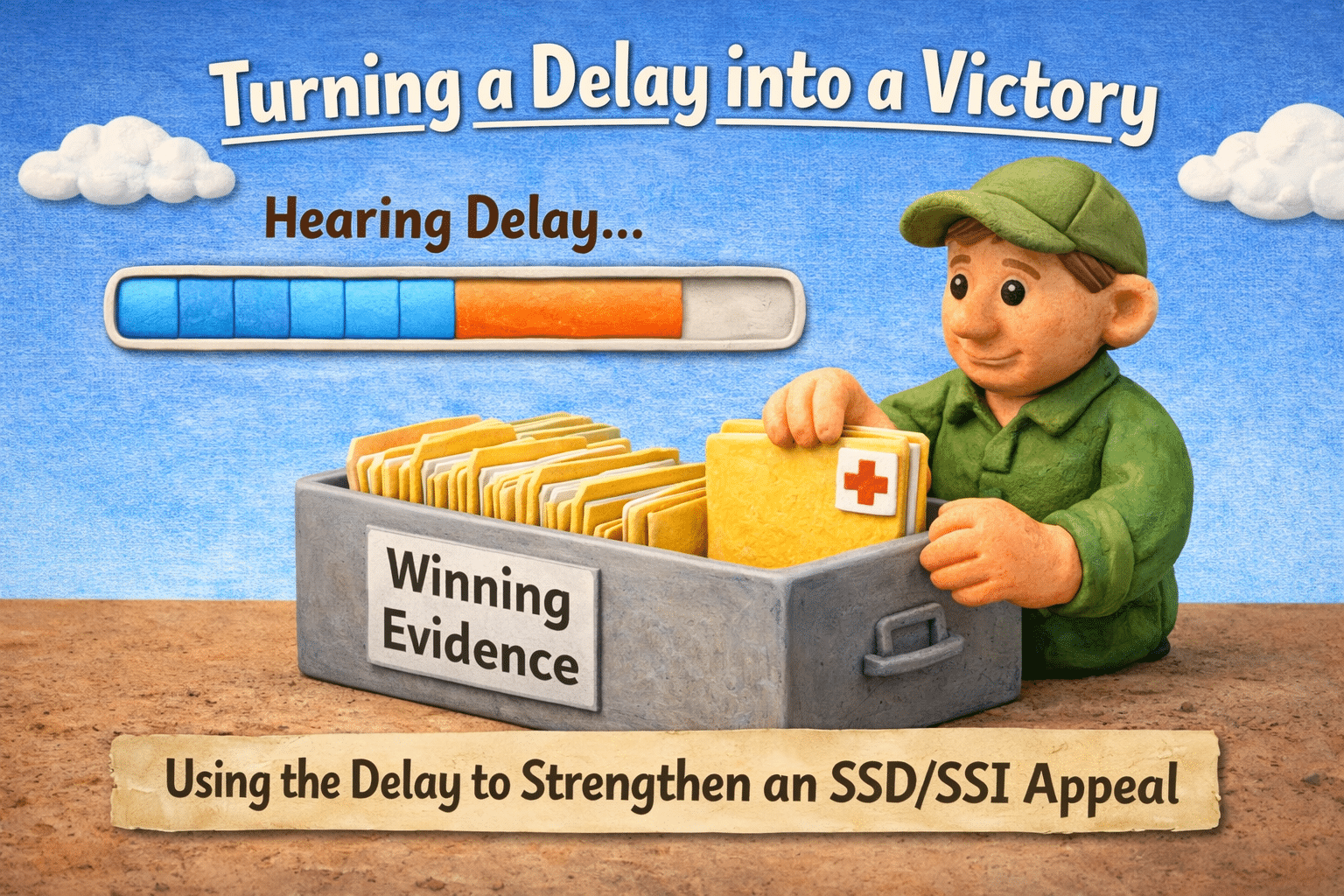
An adjournment occurs when a hearing has already started but the judge decides it cannot be finished. Under the SSD/SSI appeals process guidelines, an ALJ might adjourn a hearing if they realize the medical record is incomplete or if they want you to undergo a Consultative Examination (CE).
While an adjournment adds months to your wait time, it is often a positive sign. It means the judge is taking your limitations seriously and wants more data before making a final decision. During this gap, our Virginia disability team works tirelessly to fill every evidentiary hole, ensuring that when the adjourned hearing reconvenes, the case for disability is irrefutable.
Virginia and Surrounding States: Local Hearing Office Nuances
While the SSD/SSI appeals process guidelines are federal, the culture of the Office of Hearing Operations (OHO) can vary by location. The Richmond OHO may have different scheduling pressures than the Charlottesville or Norfolk offices. Furthermore, as we expand our reach into Maryland and North Carolina, we see how different ALJs interpret Good Cause.
For example, in mountainous regions of Southwest Virginia, transportation issues are often viewed more empathetically by judges who understand the difficulty of traveling long distances on winding roads during inclement weather. Conversely, in Northern Virginia, judges might expect you to have better access to public transit. Our deep local knowledge allows us to tailor your postponement request to the specific expectations of the local hearing office.
The Role of Expert Representation in Preventing Dismissals
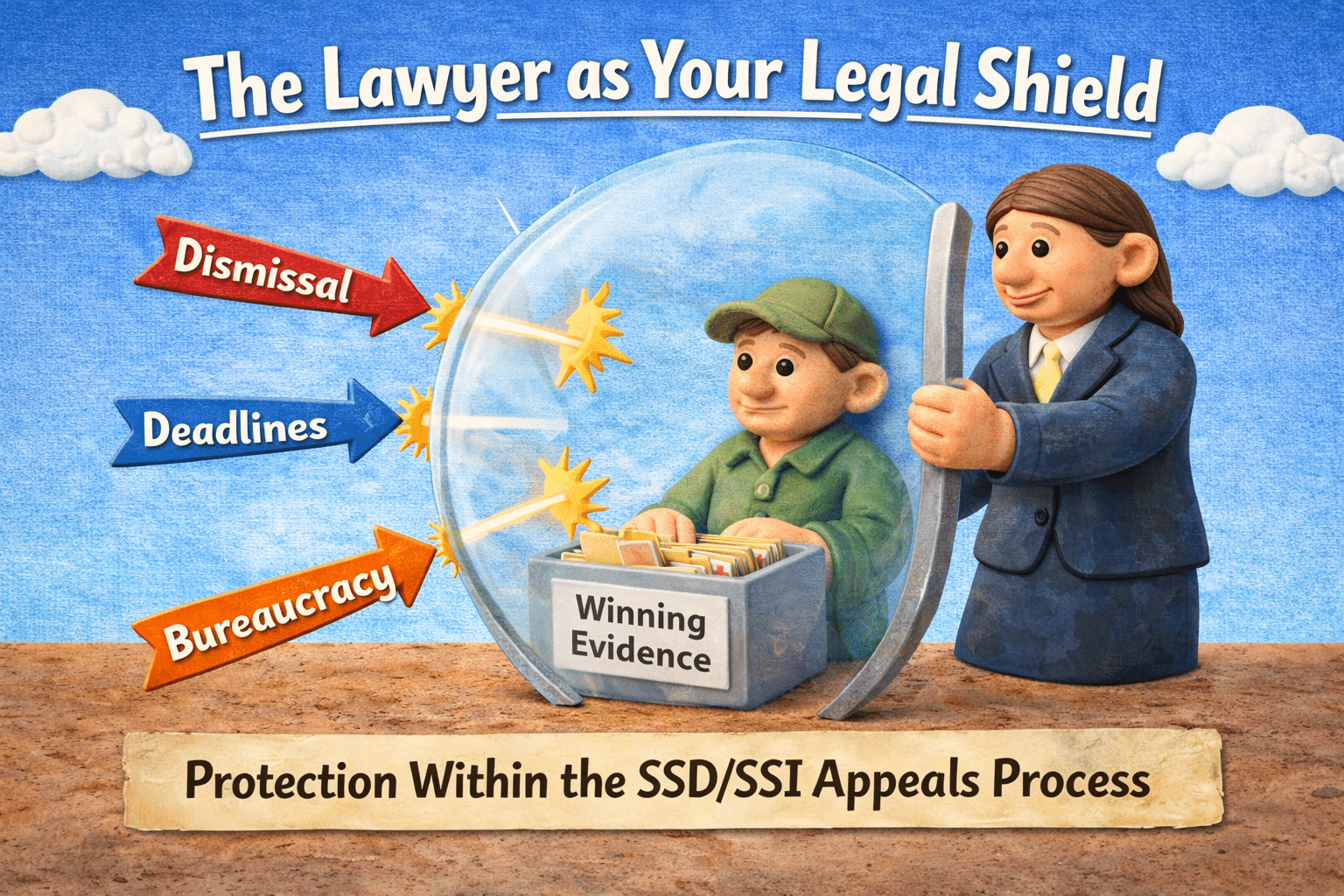
The SSD/SSI appeals process guidelines are too complex for most people to handle while severely ill. An attorney acts as your shield. We track every deadline, communicate with the hearing monitors, and ensure that if a postponement is needed, it is done correctly the first time.
At Harbison & Kavanagh, we pride ourselves on being insightful partners in your journey. We don’t just wait for the hearing; we prepare you for it. We review the SSD/SSI appeals process guidelines with you so there are no surprises. If you are in Petersburg, Hopewell, or Colonial Heights, you deserve a lawyer who understands the Virginia disability landscape and has the tenacity to keep your case alive against all odds.
Watch and Listen: Expand Your Understanding
We know that the SSD/SSI appeals process guidelines can feel like a foreign language. To make this information more accessible, we have produced a specialized audio podcast that breaks down these complex legal concepts into digestible segments. In this episode, our senior attorneys discuss real-world scenarios where they successfully fought against SSA dismissals. Whether you are doing chores or resting, you can listen and learn how to protect your back pay and navigate Virginia’s specific hearing requirements. Don’t let the bureaucracy win—empower yourself with expert audio insights today. Listen now and take control of your disability claim.
Essential Reading for Your Disability Journey
Understanding postponements is just one piece of the puzzle. To truly master the SSD/SSI appeals process guidelines, you need to understand the broader timeline. Many claimants feel hopeless because they don’t know how long the wait will be or what happens after the hearing. Our comprehensive guide on the duration of the appeals process provides the clarity you need to stay patient and prepared.
How Long Does the SSD Appeal Process Take?
Frequently Asked Questions
What happens if I miss my hearing and don’t call the SSA?
In the SSD/SSI appeals process guidelines, failing to call is a major mistake. The ALJ will likely issue a Notice to Show Cause. If you don’t provide Good Cause within 10 days, your case will be dismissed, and you may lose your right to back pay from your original filing date.
Can I request an adjournment if I’m not happy with my current lawyer?
Yes. If you feel your representation is inadequate, you can ask the judge for a continuance to find a new attorney. However, the SSD/SSI appeals process guidelines usually only allow this once. It is imperative to choose a top-notch firm like Harbison & Kavanagh early in the process to avoid these delays.
Is “transportation trouble” a valid reason for Good Cause?
It depends. If your car broke down and you have a towing bill, a judge in Virginia is likely to find Good Cause. However, if you simply say you “couldn’t find a ride,” the judge may find that you didn’t do enough to comply with the SSD/SSI appeals process guidelines.
How long will it take to get a new date after a postponement?
Rescheduling usually takes 4 to 6 months. While this delay is frustrating, the SSD/SSI appeals process guidelines ensure that your claim remains active, and your potential back pay continues to accrue while you wait for the new date.
Can the judge dismiss my case if I am 15 minutes late?
Technically, yes. However, most judges will wait at least 30 minutes before starting the dismissal process. If you are running late, call the hearing office immediately. Communicating your estimated arrival time can prevent a dismissal under the SSD/SSI appeals process guidelines.
At Harbison & Kavanagh, we are dedicated to helping you navigate the SSDI application and appeals process. If you believe you qualify for SSDI and have questions, call us today at (804) 888-8000, or visit our contact page to schedule a free consultation. Our experienced lawyers are here to provide the support and guidance you need.
Related Posts