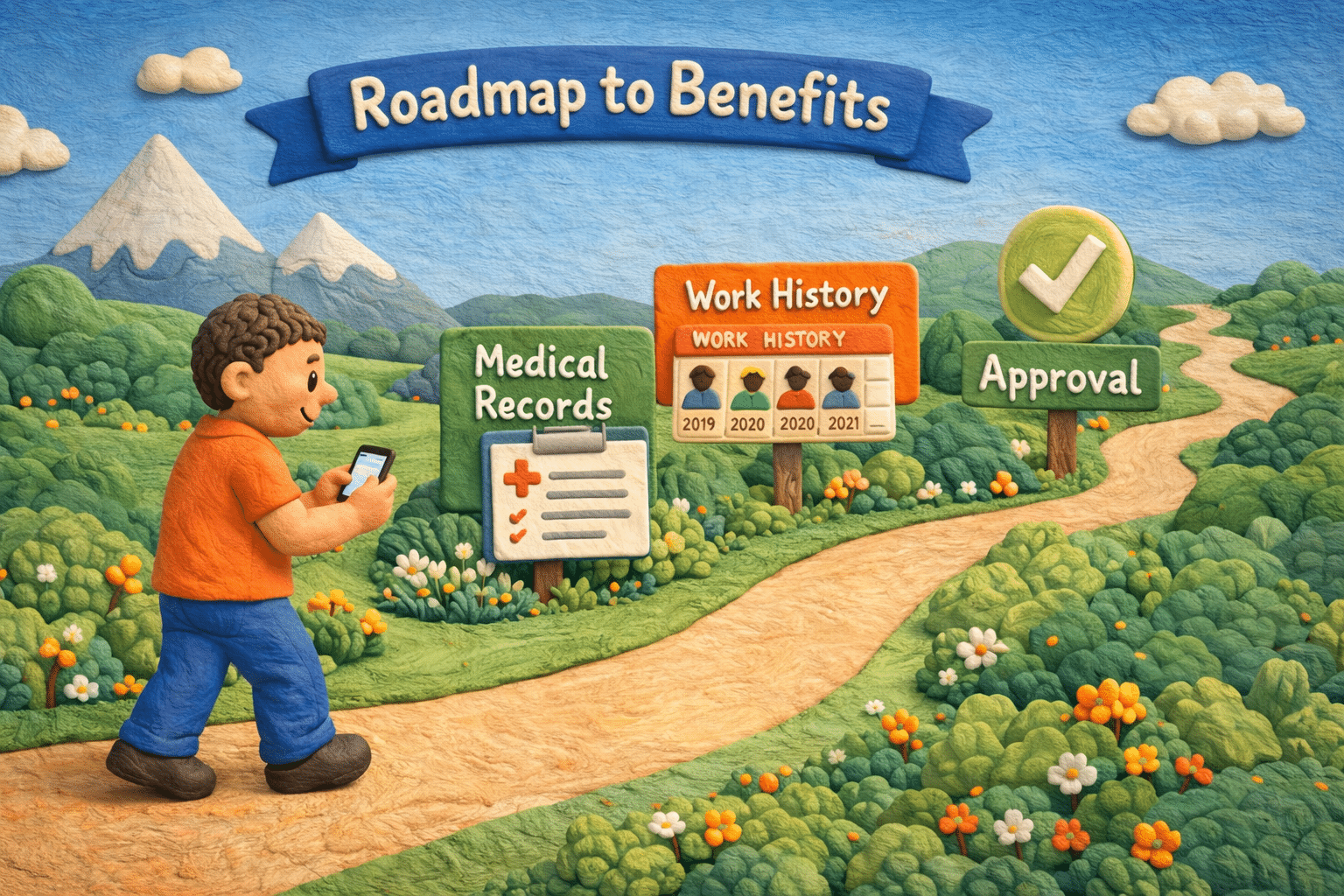
Understanding how the Social Security Administration (SSA) evaluates medical conditions is the first step toward…
Stop The Wait: 7 Proven Ways to Fast-Track the SSD/SSI Appeals Process
The SSD/SSI appeals process fast-track is not just a secondary option; for many claimants in Virginia, it is a fundamental necessity for survival. When you are facing a severe medical crisis or total financial collapse, the standard waiting period for a Social Security disability decision—which can often exceed a year—is simply not an option. Fortunately, the Social Security Administration (SSA) has built-in “emergency valves” designed to identify and prioritize the most urgent claims.
As a premier disability firm serving the Richmond, Norfolk, and Roanoke areas, we specialize in identifying these “Critical Case” opportunities. According to the U.S. Government Accountability Office (GAO), while the SSA has made strides in reducing backlogs, consistent implementation of expedited flags remains a challenge. This is where professional legal intervention becomes indispensable. We don’t just wait for the SSA to notice your hardship; we force the issue using internal agency protocols to move your file to the top of the stack.
Table of Contents
- Defining the “Critical Case” Categories
- Terminal Illness (TERI) and Automatic Expediting
- Compassionate Allowances: The Fast Lane for Rare Conditions
- The “Dire Need” Letter: Documenting Financial Ruin
- Wounded Warriors and 100% P&T Veterans
- How We Push the Office of Hearings Operations (OHO)
- The Advantage of Local Advocacy in Virginia
- Watch and Listen: Expand Your Understanding
- Deep Dive: Managing Your Claim Effectively
- Frequently Asked Questions
Defining the “Critical Case” Categories
The SSD/SSI appeals process fast-track is governed by a specific set of rules found in the SSA’s Hearings, Appeals, and Litigation Law manual, better known as HALLEX. Specifically, HALLEX I-2-1-40 outlines the criteria that allow a staff member or an Administrative Law Judge (ALJ) to designate a case as “critical.”
A case isn’t “critical” just because it is important to you; it must meet one of the following specific legal definitions:
- Terminal Illness (TERI): A medical condition expected to result in death.
- Compassionate Allowance (CAL): A condition on a pre-approved list of severe impairments.
- Dire Need (DRND): An immediate threat to food, medicine, or shelter.
- Military Casualty (MCAS): Injuries sustained while on active duty.
- 100% P&T Veteran (VPAT): Veterans with a permanent and total disability rating from the VA.
- Public Safety Issue: Cases involving threats of suicide or homicide.

Terminal Illness (TERI) and Automatic Expediting
The TERI flag is perhaps the most somber but efficient way to engage the SSD/SSI appeals process fast-track. When a claimant’s condition is untreatable and likely to end in death, the SSA is mandated to process the claim with the highest degree of urgency.
In our practice, we see many clients in Virginia who are diagnosed with stage IV cancers, end-stage organ failure, or neurodegenerative diseases like ALS. While the SSA uses automated systems to scan for keywords like “hospice” or “metastatic” in medical records, these systems are not foolproof. We proactively submit Form SSA-2200 to the Hearing Office, ensuring the TERI designation is applied immediately. Once flagged, a TERI case often skips the standard wait times, moving from a hearing request to a decision in a fraction of the usual time.
Compassionate Allowances: The Fast Lane for Rare Conditions
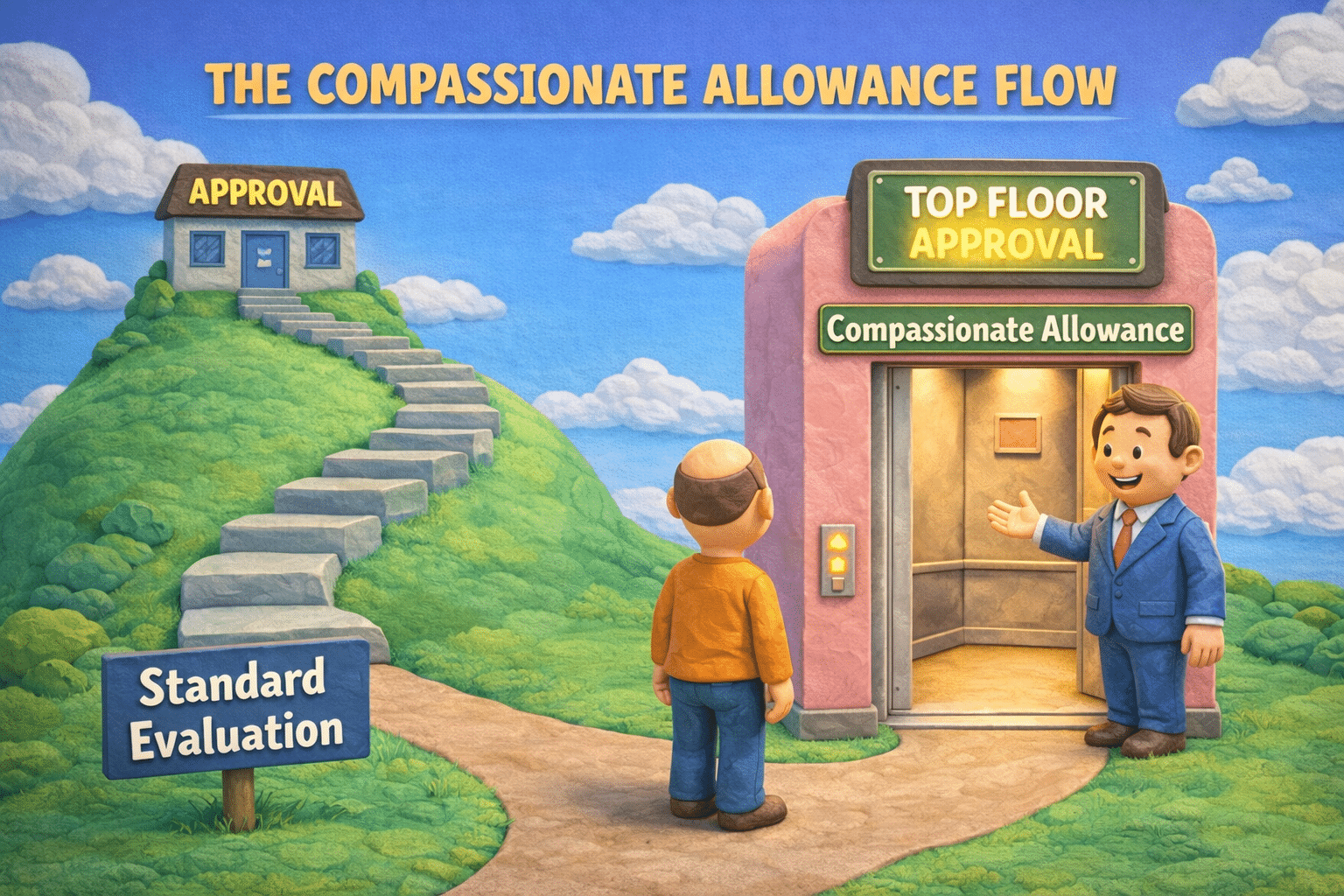
If your condition is on the Compassionate Allowances (CAL) list, you have a powerful tool for the SSD/SSI appeals process fast-track. As of late 2025, the SSA has expanded this list to include 300 distinct conditions, ranging from rare childhood disorders to aggressive adult-onset diseases.
The beauty of the CAL program is that it bypasses the traditional 5-step sequential evaluation process. If the medical evidence (such as a biopsy or genetic testing) confirms the diagnosis, the SSA’s software is designed to identify the claim automatically. However, if your claim was denied at the initial level despite having a CAL condition, it likely means your medical records were incomplete or miscoded. We specialize in correcting these clerical errors and escalating the case to the Hearing Office Chief Administrative Law Judge (HOCALJ) for an immediate on-the-record approval.
The “Dire Need” Letter: Documenting Financial Ruin
For many residents of Virginia, the biggest hurdle isn’t a terminal diagnosis, but the crushing financial weight of being unable to work. This is where the Dire Need (DRND) request becomes the primary vehicle for the SSD/SSI appeals process fast-track.
To qualify for dire need, you must demonstrate that you are “unable to obtain food, medicine, or shelter.” We help our clients draft a Dire Need Letter that isn’t just a plea for help, but a fact-based legal document. We include:
- Utility Shut-off Notices: Proof that your water, electricity, or heat is about to be disconnected.
- Eviction or Foreclosure Notices: Legal documents showing you are about to lose your home.
- Medical Treatment Barriers: Evidence that you cannot afford life-saving medication or therapy.
The goal is to prove that waiting for a standard hearing date will result in irreparable harm. When we submit these packets to the OHO, we follow up religiously to ensure the flag is applied and the file is moved to a judge for priority scheduling.
Wounded Warriors and 100% P&T Veterans
Virginia is home to one of the largest veteran populations in the country. We take immense pride in helping our service members utilize the SSD/SSI appeals process fast-track.
There are two distinct ways for veterans to move faster:
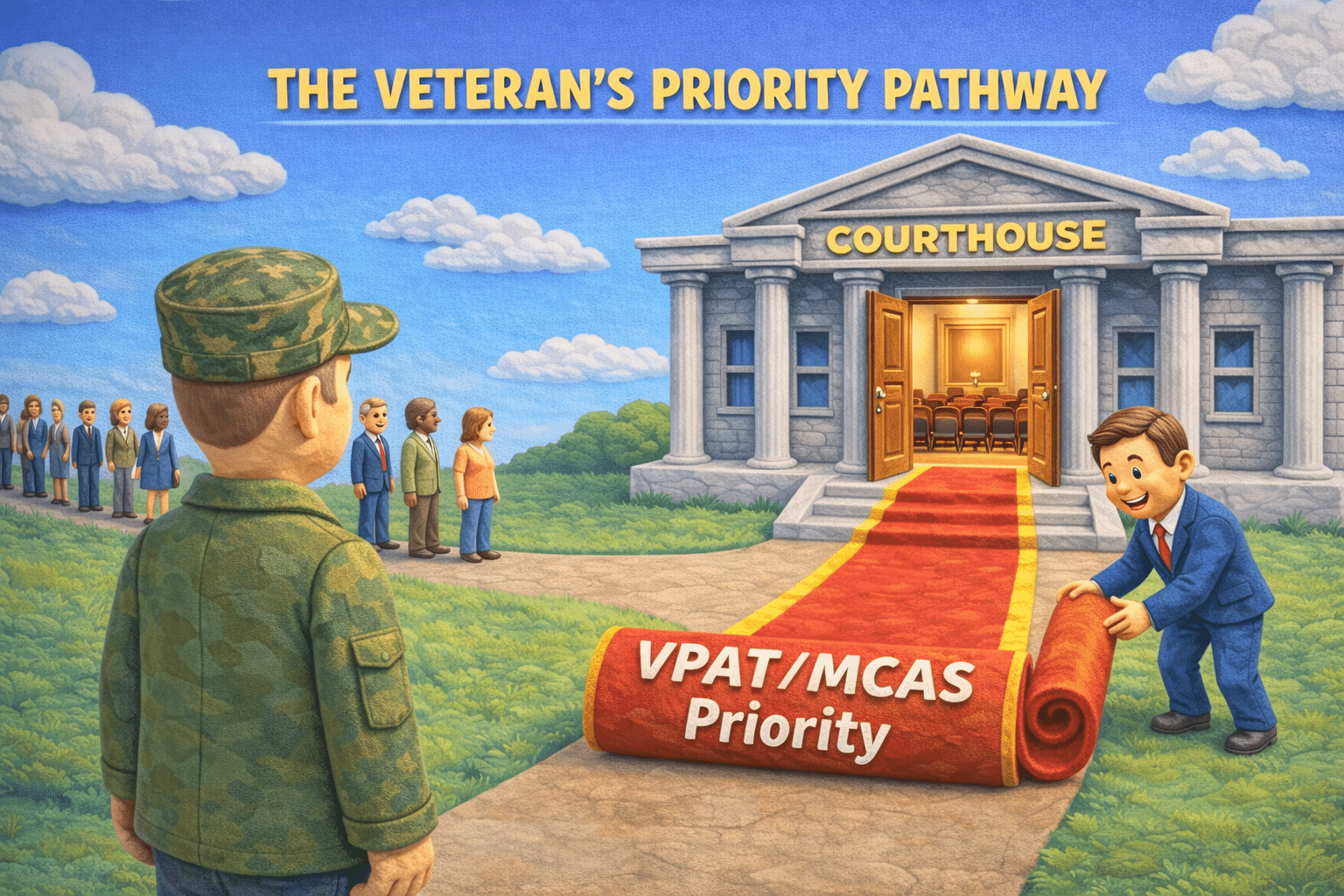
- Military Casualty (MCAS): If your disability occurred while on active duty on or after October 1, 2001, your claim is flagged as an MCAS case. This applies regardless of whether the injury happened in combat or stateside.
- 100% P&T (VPAT): If the VA has rated you 100% Permanent and Total, the SSA must prioritize your claim. Note that a 100% “Total Disability based on Individual Unemployability” (TDIU) rating is not an automatic trigger for the VPAT flag, though we can often use it to support a dire need request.
We ensure that your VA Notification Letter is prominently placed at the very front of your electronic folder, signaling to every SSA employee who opens your file that you are entitled to expedited service.
How We Push the Office of Hearings Operations (OHO)
Simply having a “flag” on your case isn’t always enough to guarantee speed. The SSD/SSI appeals process fast-track requires constant professional pressure. At Harbison & Kavanagh, we utilize several advanced tactics to “push” the OHO:
1. The On-The-Record (OTR) Request
We frequently file OTR requests, which ask the ALJ to issue a fully favorable decision without the need for a hearing. If the medical evidence is overwhelming (as it often is in critical cases), a judge can approve the claim in weeks, saving the claimant months of waiting for a court date.
2. The Waiver of Timely Notice
Normally, the SSA must give you 75 days’ notice before a hearing. To engage the SSD/SSI appeals process fast-track, we can file Form HA-510, waiving that notice period. This tells the OHO that we are “ready to go” and will take the first available cancellation slot, often getting our clients into court months earlier than expected.
3. Congressional Inquiries
When a critical case is languishing due to administrative error, we don’t hesitate to contact the offices of Virginia’s U.S. Senators or Representatives. A “Congressional Inquiry” forces the SSA to provide a written explanation for the delay, which often miraculously results in the case being immediately scheduled.
The Advantage of Local Advocacy in Virginia
The SSD/SSI appeals process fast-track looks different depending on which hearing office is handling your case. The procedures at the Richmond OHO can vary slightly from those in Charlottesville or Norfolk.
Being a local firm means we know the Clerks, the Hearing Office Directors, and the Administrative Law Judges. We know who is receptive to OTR requests and who requires more extensive documentation for a dire need flag. We aren’t a national “disability mill” calling from a thousand miles away; we are in the trenches of the Virginia legal system every day, advocating for our neighbors. This local expertise allows us to navigate the bureaucracy with a level of precision that national firms simply cannot match.
Watch and Listen: Expand Your Understanding
We understand that when you are dealing with a terminal illness or severe financial stress, reading a 3,000-word blog post might be the last thing you have the energy for. That is why we have created an accessible audio-visual experience to help you master the SSD/SSI appeals process fast-track. In this dedicated session, our lead attorneys discuss the “behind-the-scenes” mechanics of the OHO and share strategies for surviving the wait. Whether you are driving to a doctor’s appointment in Henrico or resting at home in Virginia Beach, you can listen to expert legal advice that could change the trajectory of your case. We encourage you to press play and empower yourself with the knowledge needed to secure your future.
Deep Dive: Managing Your Claim Effectively
Winning your appeal isn’t just about speed; it’s about the quality of evidence you provide while you are on the fast track. Even the fastest case will be denied if the medical documentation is lacking. To ensure you are fully prepared for the next steps in your journey, we recommend exploring our comprehensive guide on managing your treatment during the appeals process.
The Critical Importance of Consistent Medical Treatment for SSD
Frequently Asked Questions
Can I fast-track my case if I’m just struggling with debt?
Generally, debt alone does not qualify for the SSD/SSI appeals process fast-track. The SSA looks for “Dire Need,” which means you cannot afford essential life necessities. If your debt has led to an eviction notice or the inability to buy food, then it can be escalated. We can help you determine if your situation meets this high threshold.
How do I know if my case has been flagged as critical?
You can check your status through your My Social Security account, but the “flags” are often internal. The best way to confirm is to have your attorney call the OHO directly. We regularly verify that our clients’ critical flags are active in the HACPS (Hearings and Appeals Case Processing System).
Does a TERI flag guarantee I will win my case?
No flag guarantees a win. A TERI or CAL flag only guarantees that your case will be processed faster. You still must meet the medical and legal requirements for disability. This is why having an attorney to curate the evidence is just as important as the flag itself.
What if my condition isn’t on the Compassionate Allowances list?
If your condition isn’t on the list, you can still qualify for the SSD/SSI appeals process fast-track through the Dire Need or TERI categories. Additionally, we can argue that your condition is “medically equivalent” to a listing, which can help speed up the judge’s decision-making process.
How long does an expedited hearing take to get scheduled?
While a standard hearing can take 10–14 months to schedule in Virginia, an expedited case can often be heard within 3–6 months, depending on the specific hearing office’s backlog and the judge’s availability. Using a Waiver of Notice can shorten this even further.
Can I submit my own Dire Need letter?
Yes, you can, but it must be supported by evidence. The SSA receives thousands of these requests, and many are denied because they lack the specific documentation (like an eviction notice) required by HALLEX. We recommend letting a professional review your letter to ensure it meets the agency’s strict criteria.
Do veterans get a higher payout because their case is expedited?
No, the expediting process only affects how fast you get your decision, not the amount of your monthly benefit. Your benefit amount is based on your work history and earnings, or the federal SSI rate.
At Harbison & Kavanagh, we are dedicated to helping you navigate the SSDI application and appeals process. If you believe you qualify for SSDI and have questions, call us today at (804) 888-8000, or visit our contact page to schedule a free consultation. Our experienced lawyers are here to provide the support and guidance you need.
Related Posts