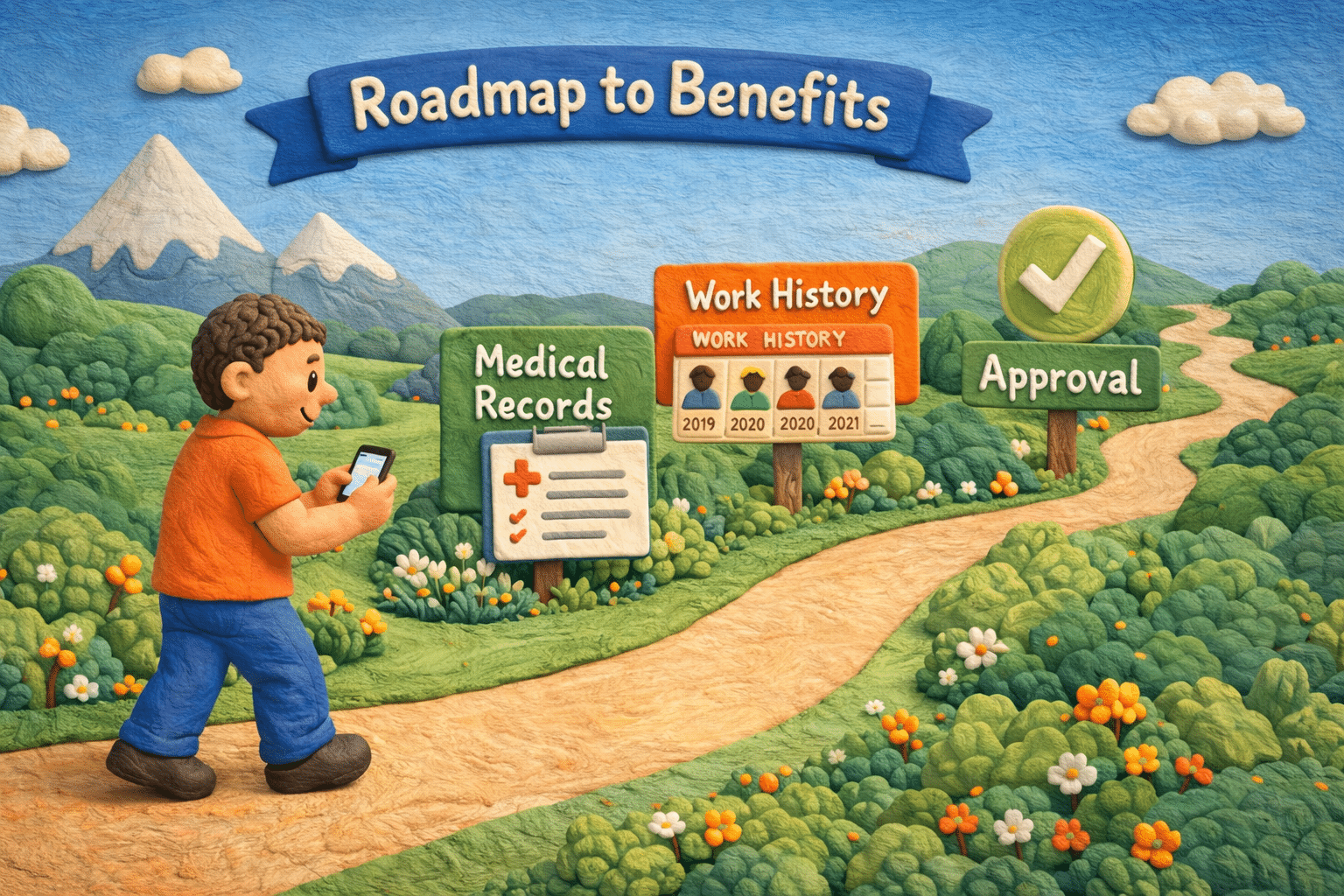
Understanding how the Social Security Administration (SSA) evaluates medical conditions is the first step toward…

How to Successfully Win Your SSD Appeal: Proven Strategies for 2025
Table of Contents
- Introduction
- Understanding the SSD Appeal System
- Strategy 1: Build Comprehensive Medical Documentation
- Strategy 2: Gather Compelling Supporting Evidence
- Strategy 3: Address Specific Denial Reasons
- Strategy 4: Prepare Thoroughly for Your Hearing
- Strategy 5: Work Effectively with Vocational Experts
- Strategy 6: Secure Experienced Legal Representation
- Strategy 7: Master Timing and Deadlines
- Common Mistakes That Sabotage Appeals
- Watch and Listen: Expand Your Understanding
- Essential Reading for SSD Success
- Frequently Asked Questions
Introduction
Learning how to win your SSD appeal can transform your financial future and provide the disability benefits you desperately need. With Social Security Disability denial rates reaching approximately 67% for initial applications, understanding effective appeal strategies becomes crucial for securing the benefits you deserve. The appeal process offers multiple opportunities to present your case more effectively, and with the right approach, you can significantly increase your chances of approval.
Successfully navigating the SSD appeal system requires strategic planning, comprehensive evidence gathering, and thorough preparation. Whether you’re facing your first reconsideration or preparing for an Administrative Law Judge hearing, these proven strategies will help you build a compelling case that demonstrates your inability to work due to your disabling condition.
Understanding the SSD Appeal System to Win Your SSD Appeal
The Social Security Administration provides a structured four-level appeal process designed to give applicants multiple opportunities to present their case. Understanding each level helps you develop targeted strategies to win your SSD appeal at the earliest possible stage.
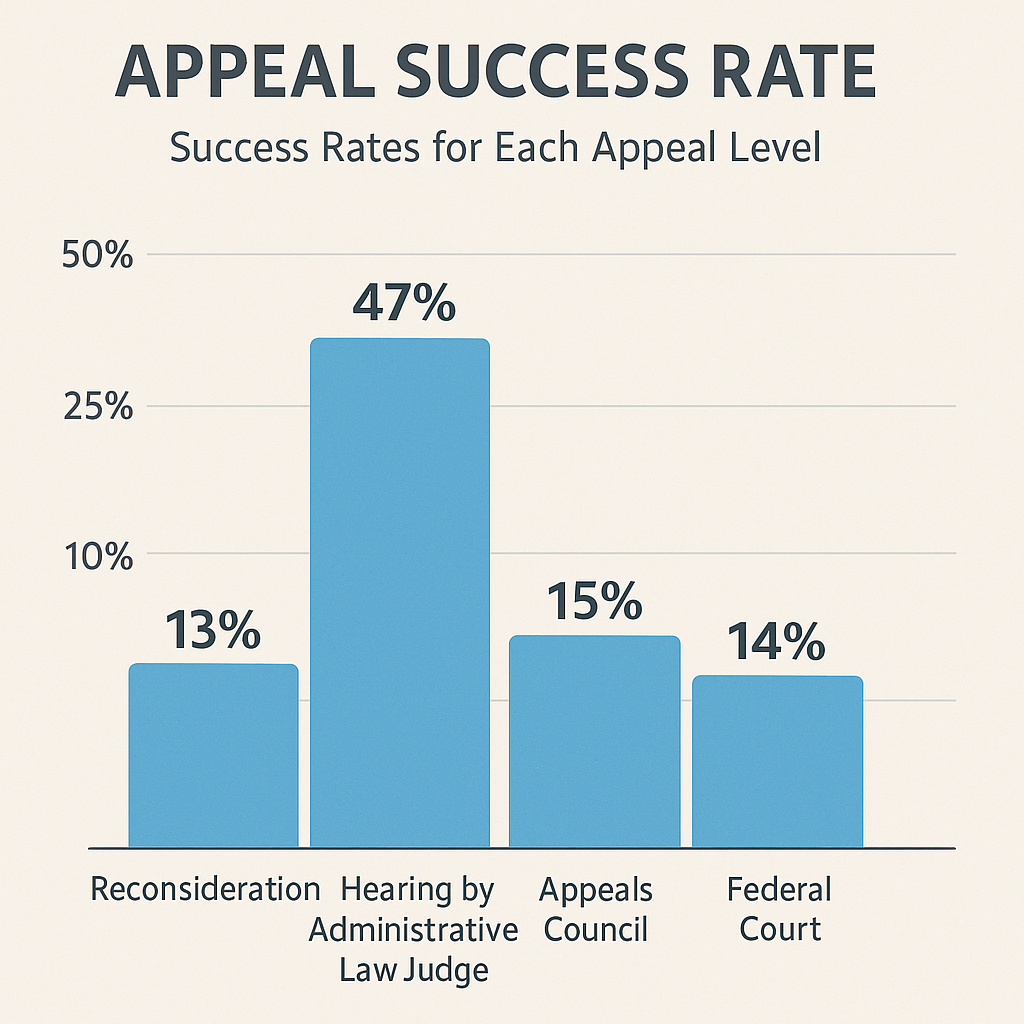
The appeal levels include reconsideration, Administrative Law Judge hearing, Appeals Council review, and federal court review. Each level has specific requirements, deadlines, and opportunities to strengthen your case. Most successful appeals occur at the hearing level, where you can present testimony, medical evidence, and expert opinions directly to an Administrative Law Judge.
Strategy 1: Build Comprehensive Medical Documentation
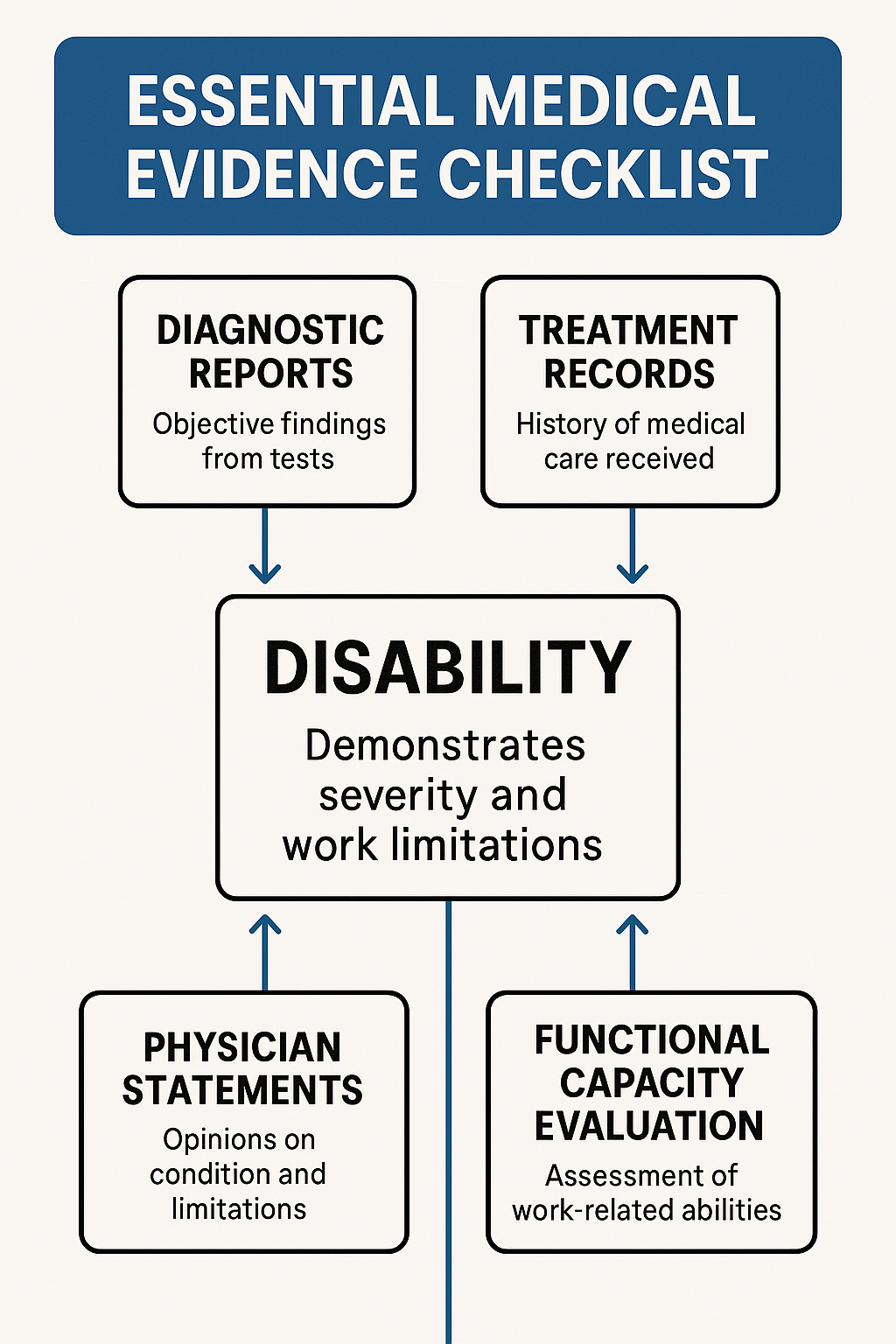
Medical documentation serves as the foundation of every successful SSD appeal. To effectively win your SSD appeal, you must present comprehensive medical evidence that clearly demonstrates the severity and impact of your disabling condition. This evidence should include recent medical records, diagnostic test results, treatment histories, and physician statements.
Your medical documentation should cover all aspects of your condition, including physical limitations, mental health impacts, and functional restrictions. Ensure your treating physicians understand the importance of detailed documentation and ask them to provide specific information about your limitations and prognosis.
Work closely with your healthcare providers to obtain current medical records that reflect your ongoing treatment and condition progression. The Social Security Administration requires recent evidence, typically within the last 90 days, to support your appeal.
Strategy 2: Gather Compelling Supporting Evidence
Beyond medical records, compelling supporting evidence significantly strengthens your ability to win your SSD appeal. This evidence includes work history documentation, educational records, daily activity reports, and statements from family members, friends, and former employers who can attest to your limitations.
Document your daily activities and limitations through detailed journals or activity reports. These personal accounts provide valuable insight into how your condition affects your ability to perform basic tasks and maintain employment. Include specific examples of how your symptoms interfere with work-related activities.
Gather statements from individuals who regularly observe your condition and limitations. These third-party observations provide objective evidence of your functional restrictions and can corroborate your testimony about your disability’s impact on your daily life.
Strategy 3: Address Specific Denial Reasons
Every SSD denial notice contains specific reasons why your claim was rejected. To successfully win your SSD appeal, you must directly address each denial reason with targeted evidence and arguments. Common denial reasons include insufficient medical evidence, ability to perform past work, or capacity for other work.
Carefully review your denial notice and develop specific strategies to counter each stated reason. If the denial cited insufficient medical evidence, obtain additional medical documentation and expert opinions. If the denial suggested you could perform past work, gather evidence demonstrating why your condition prevents you from returning to previous employment.
Address any inconsistencies or gaps in your initial application that may have contributed to the denial. Provide clarifying information and additional evidence to resolve any questions about your disability claim.
Strategy 4: Prepare Thoroughly for Your Hearing
Administrative Law Judge hearings represent the best opportunity to win your SSD appeal, with success rates significantly higher than other appeal levels. Thorough preparation includes understanding the hearing process, organizing your evidence, and practicing your testimony.
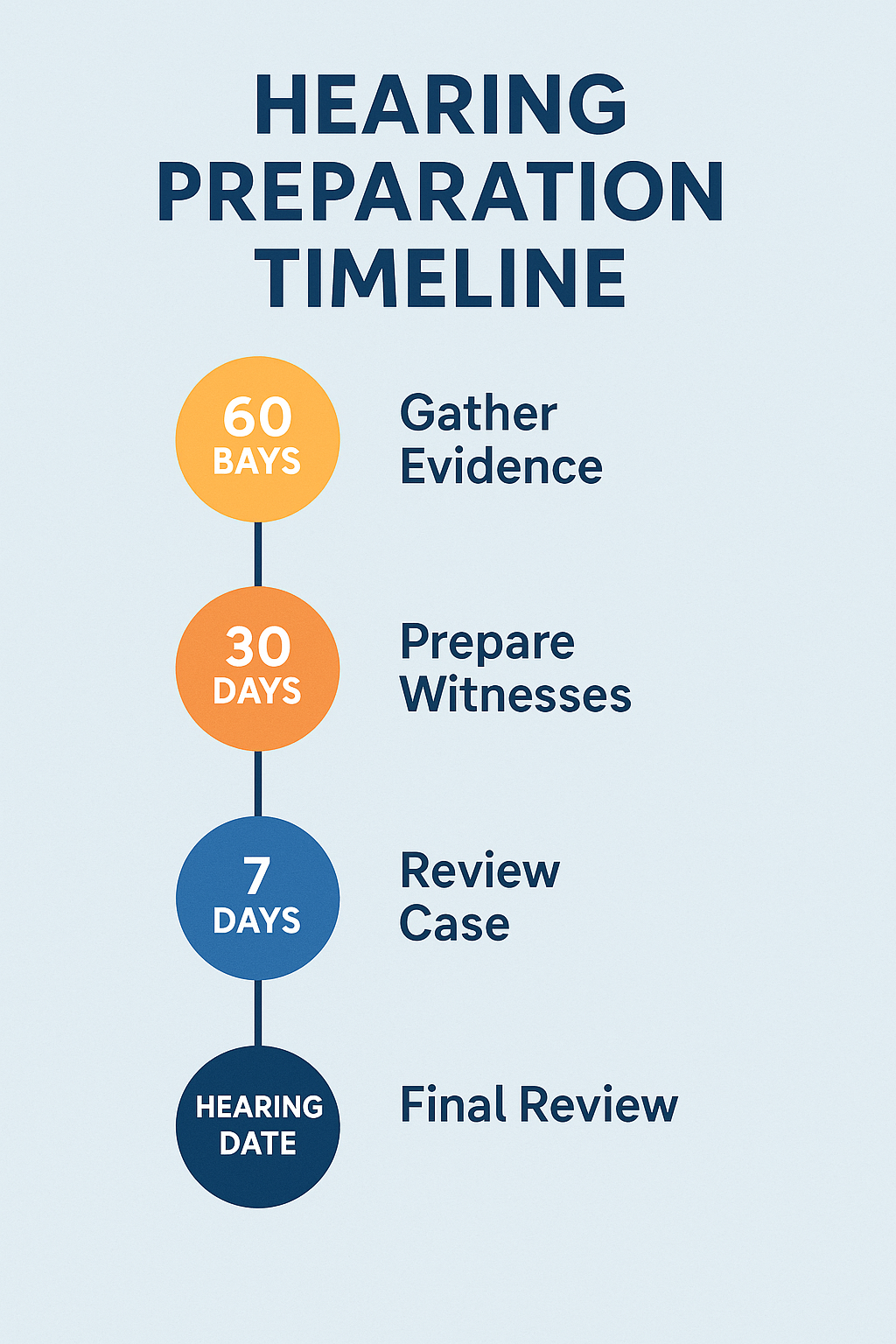
Review all medical records and supporting documentation before your hearing. Ensure you can clearly explain your condition, symptoms, and limitations in your own words. Practice answering common hearing questions about your daily activities, work history, and functional restrictions.
Prepare organized exhibits and evidence for presentation during your hearing. Create a clear timeline of your condition’s progression and treatment history. Anticipate potential questions from the Administrative Law Judge and vocational expert.
Strategy 5: Work Effectively with Vocational Experts
Vocational experts play a crucial role in SSD hearings, providing testimony about your ability to perform work given your limitations. Understanding how to effectively interact with vocational experts can significantly impact your ability to win your SSD appeal.
Vocational experts analyze your work history, education, and functional limitations to determine whether you can perform past work or adjust to other work. Their testimony heavily influences the Administrative Law Judge’s decision, making it essential to understand their role and prepare accordingly.
Work with your attorney to develop effective cross-examination strategies for vocational expert testimony. Challenge unrealistic job suggestions and ensure the vocational expert considers all your limitations when providing testimony about available work opportunities.
Strategy 6: Secure Experienced Legal Representation
Professional legal representation dramatically increases your chances to win your SSD appeal. Experienced disability attorneys understand the complex appeal process, know how to present compelling evidence, and can effectively advocate for your rights during hearings.
Disability attorneys work on a contingency fee basis, meaning they only receive payment if you win your appeal. This arrangement aligns their interests with yours and ensures they’re motivated to achieve the best possible outcome for your case.
Choose an attorney with extensive experience in Social Security Disability law and a proven track record of successful appeals. Look for attorneys who specialize exclusively in disability law and have established relationships with local Administrative Law Judges.
Strategy 7: Master Timing and Deadlines
Strict deadlines govern every aspect of the SSD appeal process. Missing a deadline can result in case dismissal and force you to start the entire process over. Mastering timing and deadlines is essential to win your SSD appeal and maintain your right to benefits.
You have 60 days from receiving a denial notice to file your appeal, plus five additional days for mailing time. This deadline is strictly enforced, with very limited exceptions for good cause. Submit your appeal as early as possible to avoid any potential issues.
Track all important dates throughout your appeal process, including hearing dates, evidence submission deadlines, and response requirements. Create a calendar system to ensure you meet all deadlines and maintain your appeal rights.
Common Mistakes That Sabotage Appeals
Avoiding common mistakes significantly improves your ability to win your SSD appeal. Many appellants unknowingly damage their cases through preventable errors that could have been easily avoided with proper guidance and preparation.
One of the most damaging mistakes is failing to obtain current medical evidence. The Social Security Administration requires recent medical documentation, and outdated records can severely weaken your appeal. Ensure all medical evidence is current and accurately reflects your present condition and limitations.
Another critical mistake is inconsistent testimony about your limitations and daily activities. Inconsistencies between your testimony, medical records, and daily activity reports can undermine your credibility and damage your appeal. Maintain consistency across all aspects of your case presentation.
Watch and Listen: Expand Your Understanding
Enhance your knowledge of SSD appeal strategies through our comprehensive podcast series. These expert discussions provide valuable insights into the appeal process, featuring interviews with successful appellants, disability attorneys, and former Administrative Law Judges. Listen while commuting, exercising, or during your daily routine to maximize your understanding of effective appeal strategies. Our audio format makes it convenient to absorb crucial information that can help you win your SSD appeal, regardless of your schedule.
Discover advanced techniques for presenting medical evidence during SSD hearings in this detailed podcast episode. Our legal experts share insider knowledge about what Administrative Law Judges look for in compelling disability cases and how to avoid common presentation mistakes. This episode features real case studies and practical advice that you can immediately apply to your own appeal. Whether you’re preparing for your first hearing or seeking to strengthen your appeal strategy, this podcast provides the expert guidance you need to succeed.
Essential Reading for SSD Success
Maximize Your Appeal Preparation
Before diving deeper into your SSD appeal strategy, we highly recommend reading our comprehensive guide on 7 Crucial Steps to Master the Social Security Disability Appeal Process. This essential resource provides detailed information about navigating each stage of the appeal process and complements the strategies outlined in this article. Understanding these foundational steps will significantly enhance your ability to implement the advanced techniques discussed here and increase your chances of appeal success.
Frequently Asked Questions
Q: How long does it take to win your SSD appeal?
A: The timeline to win your SSD appeal varies by level. Reconsideration typically takes 3-5 months, while Administrative Law Judge hearings can take 12-18 months. The key is starting your appeal immediately after receiving a denial notice and maintaining consistent progress throughout the process.
Q: What percentage of SSD appeals are successful?
A: Success rates vary by appeal level. Reconsideration has approximately a 13% success rate, while Administrative Law Judge hearings have a 47% success rate. Having experienced legal representation significantly improves your chances at every level.
Q: Can I work while my SSD appeal is pending?
A: You can work while your appeal is pending, but earning above the substantial gainful activity limit ($1,550 per month in 2024) may negatively impact your case. Any work activity should be carefully evaluated with your attorney to ensure it doesn’t harm your appeal.
Q: Do I need a lawyer to win my SSD appeal?
A: While not required, having an experienced disability attorney significantly increases your chances of success. Statistics show that represented appellants have much higher success rates than those who represent themselves.
Q: What happens if I lose my SSD appeal hearing?
A: If you lose your hearing, you can request Appeals Council review within 60 days. If the Appeals Council denies your request or upholds the hearing decision, you can file a federal court lawsuit within 60 days of their decision.
Q: How much medical evidence do I need to win my SSD appeal?
A: You need comprehensive medical evidence that covers at least 12 months of treatment and clearly demonstrates your inability to work. This includes diagnostic tests, treatment records, physician statements, and functional capacity evaluations.
At Harbison & Kavanagh, we are dedicated to helping you navigate the SSDI application and appeals process. If you believe you qualify for SSDI and have questions, call us today at (804) 888-8000, or visit our contact page to schedule a free consultation. Our experienced lawyers are here to provide the support and guidance you need.
Related Posts