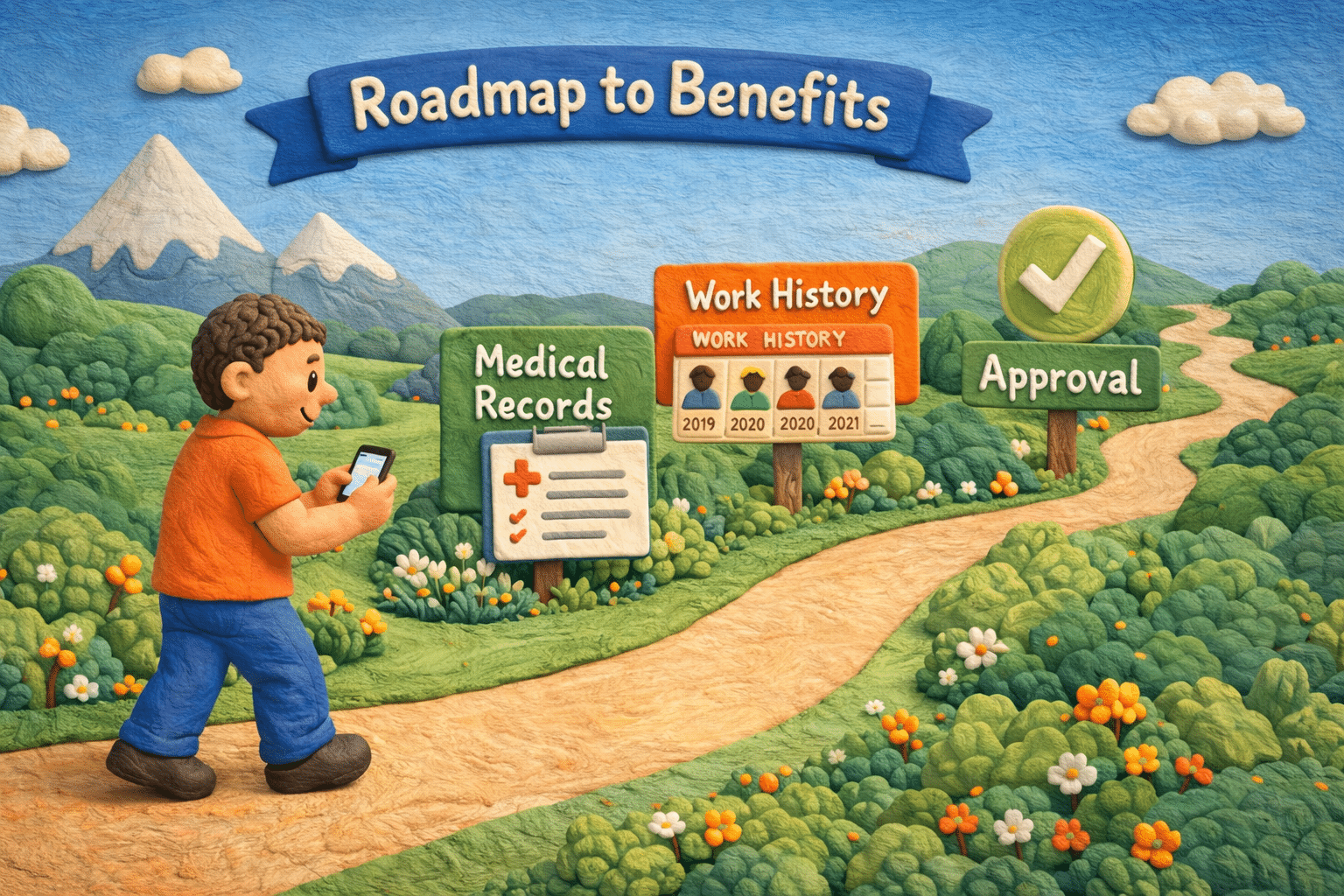
Understanding how the Social Security Administration (SSA) evaluates medical conditions is the first step toward…

Speed Up SSD Application in Virginia: 5 Proven Ways
Speed Up SSD Application in Virginia: 5 Proven Ways
- Introduction
- Why trying to “speed up SSD application” is realistic
- Way #1: Submit a complete file on Day One
- Way #2: Front-load persuasive medical evidence
- Way #3: Use fast-track programs when eligible
- Way #4: Respond instantly and follow up methodically
- Way #5: Work with a Virginia-based legal team
- Common pitfalls that quietly slow cases
- Mini-checklist: Speed without sacrificing accuracy
- If speed stalls: smart next steps
- Want stronger filings? Read this next
- FAQs
- Podcast Introduction
- Talk with Harbison & Kavanagh
Introduction
If you’re trying to speed up SSD application timelines in Virginia, you’re not chasing a myth. While nobody can control agency staffing or statewide backlogs, you can control how complete, consistent, and decision-ready your file is from the very first day. That alone can shave weeks off the process. In this guide, we turn years of Virginia practice into five high-impact steps you can implement immediately—no gimmicks, no shortcuts that backfire. The goal is simple: reduce re-work for the adjudicator so your case moves instead of stalls.
Every disability file tells a story. Fast files tell that story clearly: what your conditions are, how they’re documented, how they limit work, and where the proof sits in the record. Slow files make the reviewer hunt for basics. We want you in the first category so you can pursue a quicker, more predictable decision.
Why trying to “speed up SSD application” is realistic
Three realities make speed possible:
- Clarity reduces friction. If your onset date changes between forms, or your work history is incomplete, an adjudicator has to stop and ask for more information. Each stop costs days. Consistency removes those stops.
- Early triage favors clean files. Cases that are obviously well-documented tend to move faster because less “development” is needed. If you submit recent records, targeted testing, and clear functional limits, you’re easier to approve—or at least easier to evaluate promptly.
- Fast-track pathways exist. Compassionate Allowances (CAL), Quick Disability Determination (QDD), and TERI procedures are designed to accelerate particular cases. If you qualify, flag it clearly and provide the proof up front.
Put differently, you can’t change the highway—but you can drive the express lane by preparing a file that answers the decision maker’s questions before they arise.
Way #1: Submit a complete file on Day One
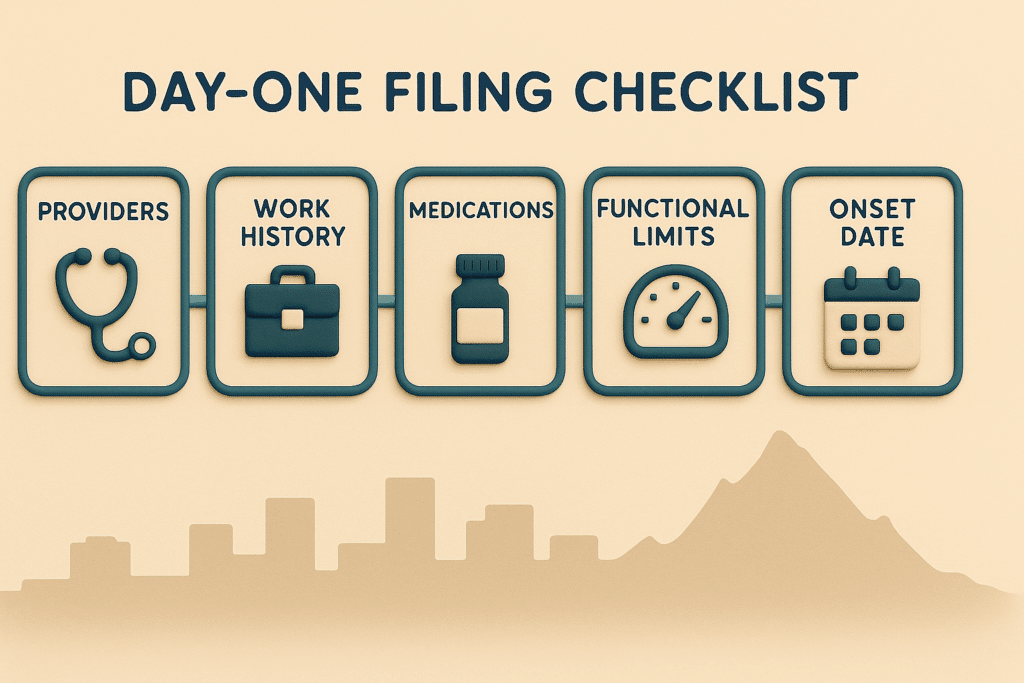
This is the single most reliable way to speed up SSD application processing. “Complete” means more than listing a few doctors. It means your package tells the reviewer exactly where to find each piece of proof, and nothing important is missing. Build it like this:
- Treatment map: Every provider’s name, specialty, address, phone, and exact treatment dates for the past 2–3 years (longer if the condition is longstanding). Include hospitals, urgent care visits, physical therapy, pain clinics, counseling, and any home health services.
- Work history that actually matches SSA’s needs: Job titles, duties, physical and mental demands, dates, hours, pay, and whether tasks required lifting, standing, reaching, or complex decision-making. Seasonal/contract work counts—list it.
- Medication list with side effects: Name, dosage, prescriber, and side effects that impact work (fatigue, dizziness, GI issues, concentration problems). If you’ve tried multiple medications or injections, note the sequence and outcomes.
- Functional limits snapshot (RFC): Sitting/standing tolerance; need to elevate legs; lifting/carrying limits; off-task time; likely absences; triggers for migraines or panic; frequency and duration of flare-ups.
- Consistency check: Align your onset date, symptoms, and functional limits across every form (SSA-16/3368/3373) and any statements from family, employers, or caregivers.
Before you submit, add a one-page cover sheet titled “Evidence Index” that lists each record set like this: Provider → Condition(s) → Date Range → Pages → Highlights. An adjudicator who can scan this index and immediately understand your case will move faster—and that’s exactly how you speed up SSD application timelines without cutting corners.
Tip for Virginians: Save the Evidence Index as a PDF and upload it with your application. If you mail records, put the index on top and use binder clips with labeled tabs (spine, cardiac, neuro, mental health, etc.). Clear organization is speed.
Way #2: Front-load persuasive medical evidence
SSA decides cases on the evidence in the file, not the evidence you promise to get later. To genuinely speed up SSD application decisions, submit the records that answer the “so what?” question: what do your diagnoses mean in terms of work limitations?
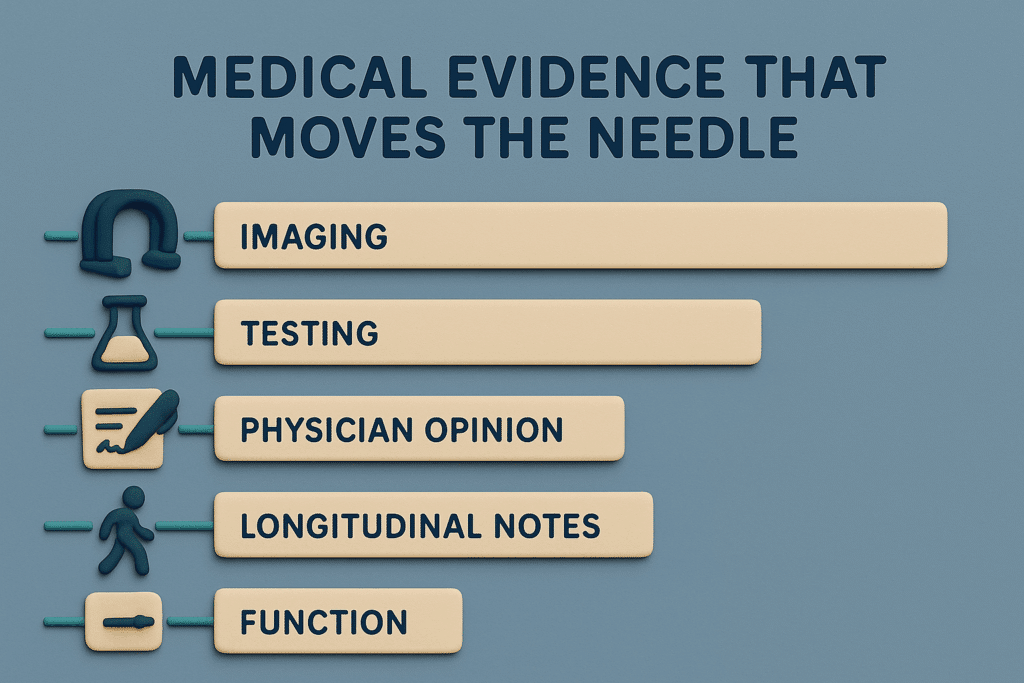
Here’s what carries weight:
- Recent records: Aim for documentation in the last 90–180 days for each active condition. Gaps look like recovery; timely notes show persistence.
- Objective testing: MRIs, EMGs/nerve conduction, echocardiograms, sleep studies, pulmonary function tests, neuropsychological evaluations, or lab findings (e.g., inflammatory markers). Label them clearly in your index so the reviewer can find them in seconds.
- Treating source opinions: Ask your physician or specialist to describe your functional limits in work terms: maximum lifting; hours you can sit/stand; need to lie down or elevate legs; expected absences per month; off-task percentage due to pain, medication side effects, or cognitive issues.
- Longitudinal proof: Chronicity matters. A six-month arc of consistent treatment notes beats a single dramatic ER visit because it proves duration and stability of limitations.
- Function-focused evidence: Physical therapy discharge notes, six-minute walk tests, pain management compliance summaries, and cognitive screening results translate symptoms into work capacity.
For conditions with fluctuating symptoms—migraines, autoimmune disease, PTSD—add a short symptom diary (frequency, duration, severity, triggers, recovery time) and, if available, corroborating notes from a spouse or caregiver. Tie those entries back to missed workdays or reduced productivity. The clearer the functional picture, the more you speed up SSD application review.
Way #3: Use fast-track programs when eligible
Some cases qualify for accelerated handling. If yours does, flag it prominently on your cover sheet and in any representative brief:
- Compassionate Allowances (CAL): Specific diagnoses that are fast-tracked based on medical severity (full list at ssa.gov/compassionateallowances). Provide the precise diagnosis language and page citations so DDS verifies quickly.
- Quick Disability Determination (QDD): An internal screening system identifies cases likely to be allowed with minimal additional development. Clean, recent, objective records increase the odds that your file is pulled forward.
- TERI (Terminal Illness) procedures: If applicable, TERI labeling moves the claim immediately. Ensure the file contains definitive medical statements supporting the TERI flag.
Fast-track requests only work if the evidence is there. Think of the label as a high-visibility arrow; it must point to solid proof. Done right, these pathways dramatically speed up SSD application movement without compromising accuracy.
Way #4: Respond instantly and follow up methodically
Unreturned calls and slow paperwork are silent delay engines. To maintain momentum:
- Designate a communicator: Choose one person—either you or your representative—to answer unknown numbers, return voicemails the same day, and keep a call log (date, name, summary). Centralizing communication prevents lost messages.
- Turn around forms within 48 hours: SSA’s Activities of Daily Living (ADL) questionnaires and work history forms should be accurate, consistent with medical notes, and back in DDS hands quickly. A same-week turn-around can materially speed up SSD application development.
- Confirm receipt: After you upload or fax records, call DDS to confirm they’re imaged to the file. Five minutes now can save weeks later.
- Track consultative exams (CEs): If DDS orders a CE, call to request the earliest appointment, arrive early with ID, medication list, and assistive devices, and describe typical—not heroic—function. Rescheduling a CE often adds weeks.
- Status checks: Log in weekly to your my Social Security account to watch for requests or status changes. Bring questions to your representative as soon as you see them.
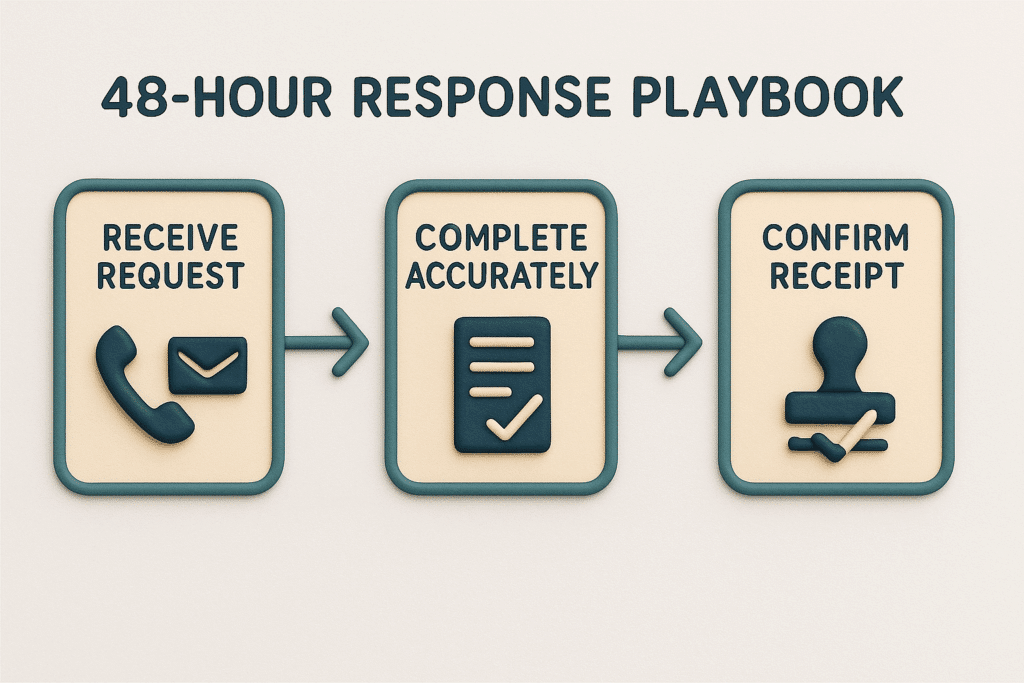
Small habits, big speed. Consistency in communications prevents the “we never got it” delays that bog down otherwise strong cases.
Way #5: Work with a Virginia-based legal team
Local experience matters because process quirks vary by state and even within DDS units. A seasoned Virginia team adds speed by:
- Finding and fixing contradictions before DDS does (e.g., onset date vs. imaging dates, residual job skills that suggest transferable work, or activities that need context to avoid misinterpretation).
- Targeting the right medical opinions, so the file answers SSA’s questions in the language adjudicators use—lifting, standing/sitting, postural limits, absenteeism, and off-task time.
- Maintaining momentum, from record requests and CE scheduling to receipt confirmations and timely responses. An organized representative keeps your case moving.
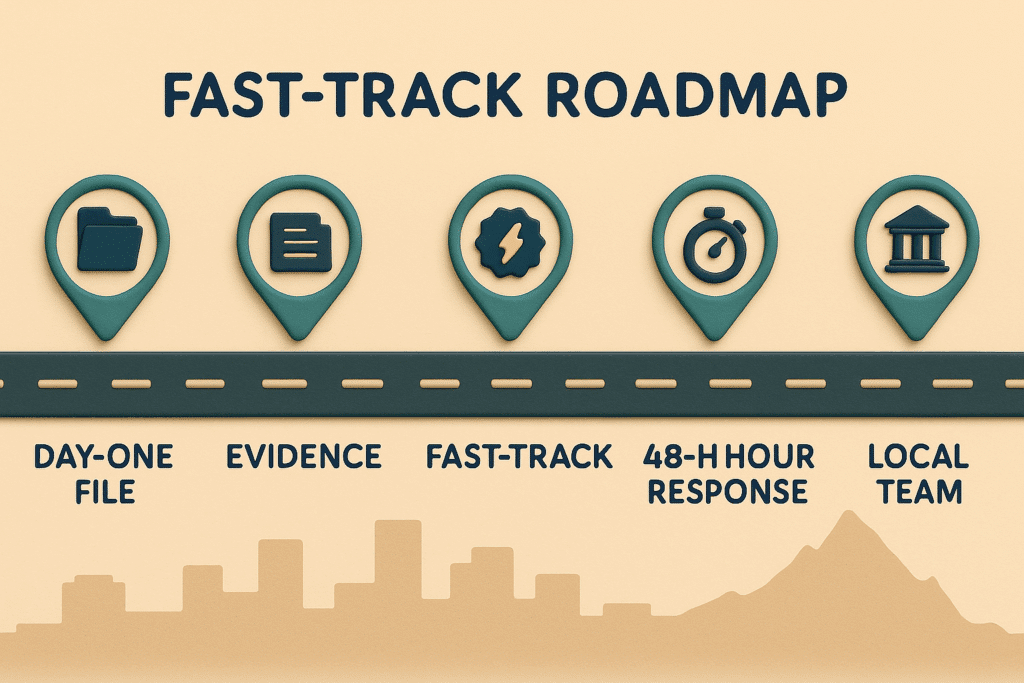
Representation doesn’t slow cases; it removes friction. That’s the practical, ethical way to speed up SSD application progress in Virginia.
Common pitfalls that quietly slow cases
Even strong claims lose weeks to avoidable mistakes. Watch for these:
- Changing onset dates midstream. If your alleged onset date moves, explain why and make sure every form reflects the same date going forward.
- Listing providers without dates or specialties. DDS can’t hunt down vague entries. Give complete contact info and the exact date ranges treated.
- Submitting huge record dumps without an index. Reviewers need a map. Your Evidence Index is that map.
- Promising evidence “soon.” SSA decides on what’s in the file. Get the essentials first, then file.
- Inconsistent daily-activity statements. If an ADL form says you “do yardwork daily,” but treatment notes show you’re limited to light activities twice a week, address the discrepancy.
- Missing consultative exams or arriving unprepared. One no-show can add weeks. Bring a med list, braces or devices, and a simple summary of symptoms and limits.
- Using medical jargon without context. Translate “disc protrusion with foraminal narrowing” into “can sit 20–30 minutes, need to change positions frequently.” Function wins cases.
Mini-checklist: Speed without sacrificing accuracy
- One-page Evidence Index on top of your file.
- Recent records (90–180 days) for active conditions.
- Objective tests labeled and cited in your index.
- Treating source opinion covering lifting, sitting/standing, off-task time, and absences.
- Symptom diary for fluctuating conditions tied to work impact.
- 48-hour turn-around for all forms and requests.
- Weekly status checks and receipt confirmations.
- Fast-track label (CAL/QDD/TERI) with page citations if applicable.
If speed stalls: smart next steps
Even well-prepared files can slow down. When that happens, stay proactive:
1) Confirm what’s missing. Call DDS (or ask your representative to call) and ask precisely what’s needed to move the file. If a single test result is holding things up, request it the same day and upload with a short cover note: “This fills the remaining gap.”
2) Close record gaps efficiently. When providers are slow, ask for the patient portal download in parallel with a formal request. Many portals let you export recent visit summaries and labs immediately. Flag “official copies requested; portal summary provided today” on your index.
3) Document your follow-through. Keep a brief log of who you called, on what date, and what you sent. If the file sits despite your efforts, the log helps your representative escalate appropriately.
4) Prepare for the next step early. If you expect a reconsideration or hearing, start tightening the record now: update testing, obtain focused treating opinions, and outline a short pre-brief. Preparation today prevents months of delay tomorrow.
5) Protect your backpay timeline. Timely appeals preserve your original filing date. Missing a deadline can force a restart and erase months of potential benefits. Calendar every deadline with reminders a week in advance.
Want stronger filings? Read this next
To reduce slow-downs before they start, don’t miss: Common Mistakes to Avoid When Filing for SSD Benefits: 7 Costly Errors. It pairs perfectly with this guide so you can submit a file that’s both thorough and fast to review.
FAQs
Can I really shorten the time it takes for a decision?
Yes. You can’t control staffing, but you can speed up SSD application handling by submitting a complete, consistent file; front-loading recent evidence; labeling fast-track eligibility when applicable; and responding within 48 hours to all requests.
What records matter most for speed?
Recency + function. Recent progress notes, objective tests, and treating source opinions that translate symptoms into work limits drive faster evaluations. A 40-page MRI appendix won’t help if no one can find the one report that matters—cite the page in your index.
How do I know if I qualify for a fast-track pathway?
Check SSA’s Compassionate Allowances list and talk with your representative about QDD or TERI. If you qualify, point to exact pages proving the criteria are met.
Will hiring a lawyer slow my case?
No. A strong legal team removes contradictions, targets the right medical opinions, and keeps communication tight—work that helps speed up SSD application timelines instead of delaying them.
How often should I check my status?
Weekly is a good cadence. Promptly upload anything requested and confirm receipt. Small confirmations prevent big delays.
What if my symptoms fluctuate?
Use a simple diary that ties flare-ups to work impact (missed hours, extended breaks, reduced pace). Pair it with treating notes. This paints a realistic picture of limitations and helps decision-makers move faster.
Podcast Introduction
If you’re mapping out how to speed up SSD application progress, our short podcast episode is the perfect companion to this guide. In 10 minutes, we outline the five steps that cut the most delay: filing a complete package on Day One, front-loading persuasive medical evidence, using fast-track pathways when eligible, responding within 48 hours to any request, and leveraging a Virginia-based legal team to keep momentum. You’ll hear practical examples and quick phrasing tips for describing functional limits (sitting/standing tolerance, off-task time, expected absences) so adjudicators can move quickly. Listen while you organize records or after clinic visits—then check off each action in your Evidence Index.
Talk with Harbison & Kavanagh
If you want to speed up SSD application progress the right way, our Virginia-based team can help you prepare a complete, decision-ready file. Call us at (804) 888-8000 or visit our contact page to schedule a free consultation. We’ll help you map the evidence, avoid slow-downs, and keep your case moving.
Related Posts