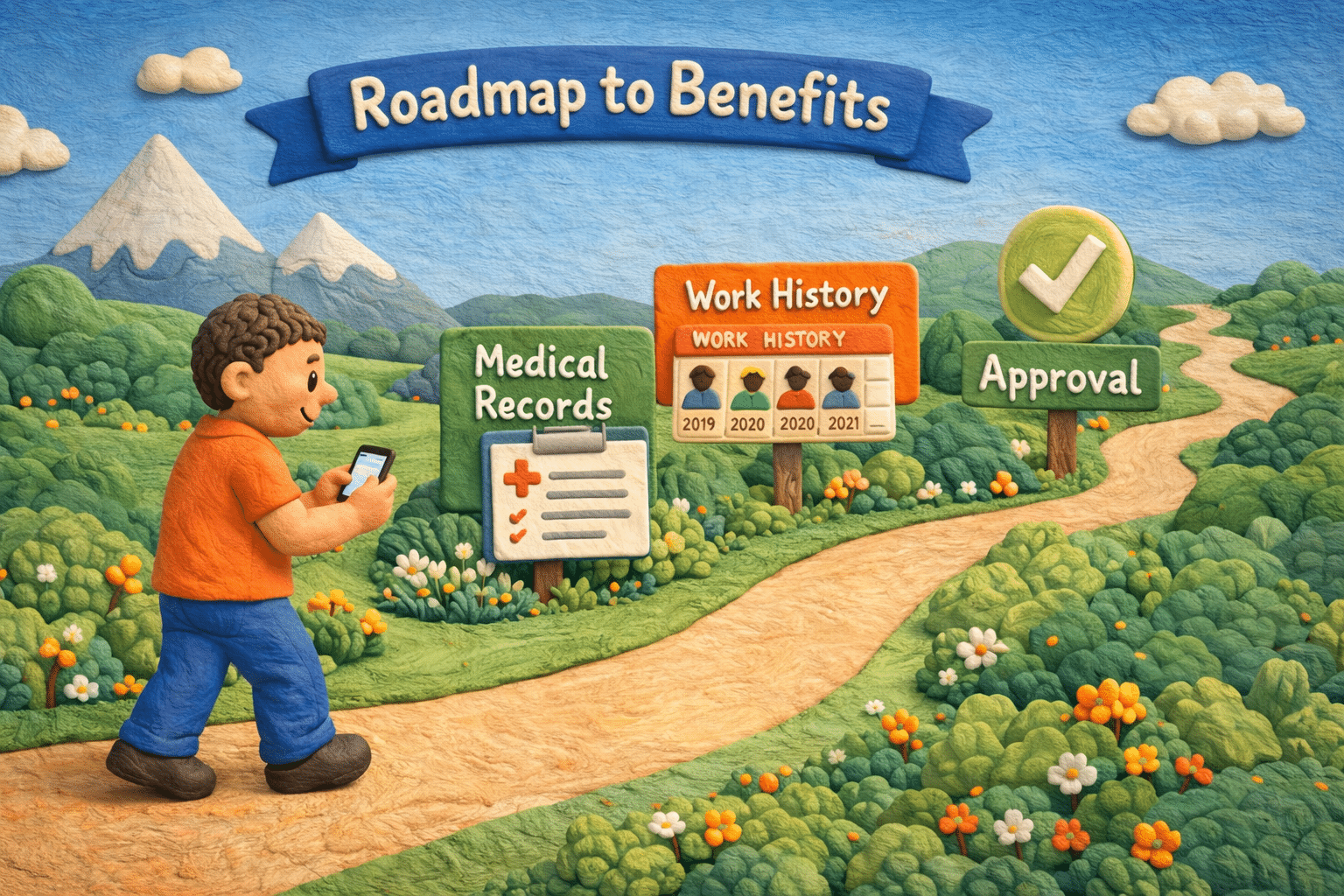
Understanding how the Social Security Administration (SSA) evaluates medical conditions is the first step toward…
Unlock 7 Essential Strategies for Qualifying for SSDI with Depression in Virginia – Transform Your Claim Today!
- Introduction
- Understanding Depression as a Qualifying Disability for SSDI
- Key Symptoms of Depression That Impact SSDI Eligibility
- SSA Mental Listings for Depression: What You Need to Know
- Qualifying for SSDI with Depression in Virginia: State-Specific Considerations
- Effective Claim Strategies for SSDI with Depression
- Gathering Medical Evidence for Your Depression Claim
- Common Challenges and How to Overcome Them
- Watch and Listen: Expand Your Understanding
- Dive Deeper into Mental Health SSD Claims
- Frequently Asked Questions
As you explore our comprehensive guide on qualifying disabilities, it’s crucial to delve into specific conditions like depression that can profoundly affect your ability to work. Qualifying for SSDI with depression in Virginia can feel overwhelming, but understanding the symptoms, SSA mental listings, and strategic approaches can significantly improve your chances of approval. In Virginia and neighboring states like Maryland, North Carolina, West Virginia, and Kentucky, where mental health resources vary, knowing how to navigate the Social Security Disability Insurance (SSDI) process is essential. This guide provides in-depth insights to help you build a strong claim, drawing on expert knowledge to address the unique challenges faced by residents in these areas.
For many, qualifying for ssdi with depression can feel like an uphill battle. Yet, knowing the right strategies improves your chances of success.
Introduction
Depression isn’t just a fleeting feeling of sadness; it’s a debilitating mental health condition that affects millions, often making everyday tasks and employment impossible. In Virginia, where the hustle of urban centers like Richmond and Northern Virginia contrasts with rural areas in the Shenandoah Valley, access to mental health care can influence how claims are processed. If you’re struggling with persistent depression and considering SSDI benefits, you’re not alone. The Social Security Administration (SSA) recognizes severe depression as a qualifying disability under certain criteria.
This blog post explores everything you need to know about qualifying for SSDI with depression in Virginia, from identifying key symptoms to mastering SSA mental listings and implementing proven claim strategies. Whether you’re in bustling Fairfax County or quieter spots in the Appalachian region, we’ll cover how regional factors play a role. By the end, you’ll have actionable steps to strengthen your application, potentially avoiding common pitfalls that lead to denials. Let’s break it down step by step to empower you on this journey toward financial stability and support.
Understanding the nuances of qualifying for ssdi with depression is essential for a successful claim. Each detail matters.
Understanding Depression as a Qualifying Disability for SSDI
Depression, clinically known as major depressive disorder, is more than emotional distress—it’s a medical condition that impairs cognitive, physical, and social functioning. For SSDI purposes, the SSA evaluates whether your depression prevents you from engaging in substantial gainful activity (SGA), defined as earning over a certain threshold (about $1,550 per month in 2025 for non-blind individuals).
To qualify, your condition must last at least 12 months or be expected to result in death. In Virginia, where mental health stigma can delay diagnosis, early documentation is key. Surrounding states like Maryland offer robust psychiatric services in areas near Baltimore, which Virginians might access, but local providers in places like Charlottesville are vital for consistent records.
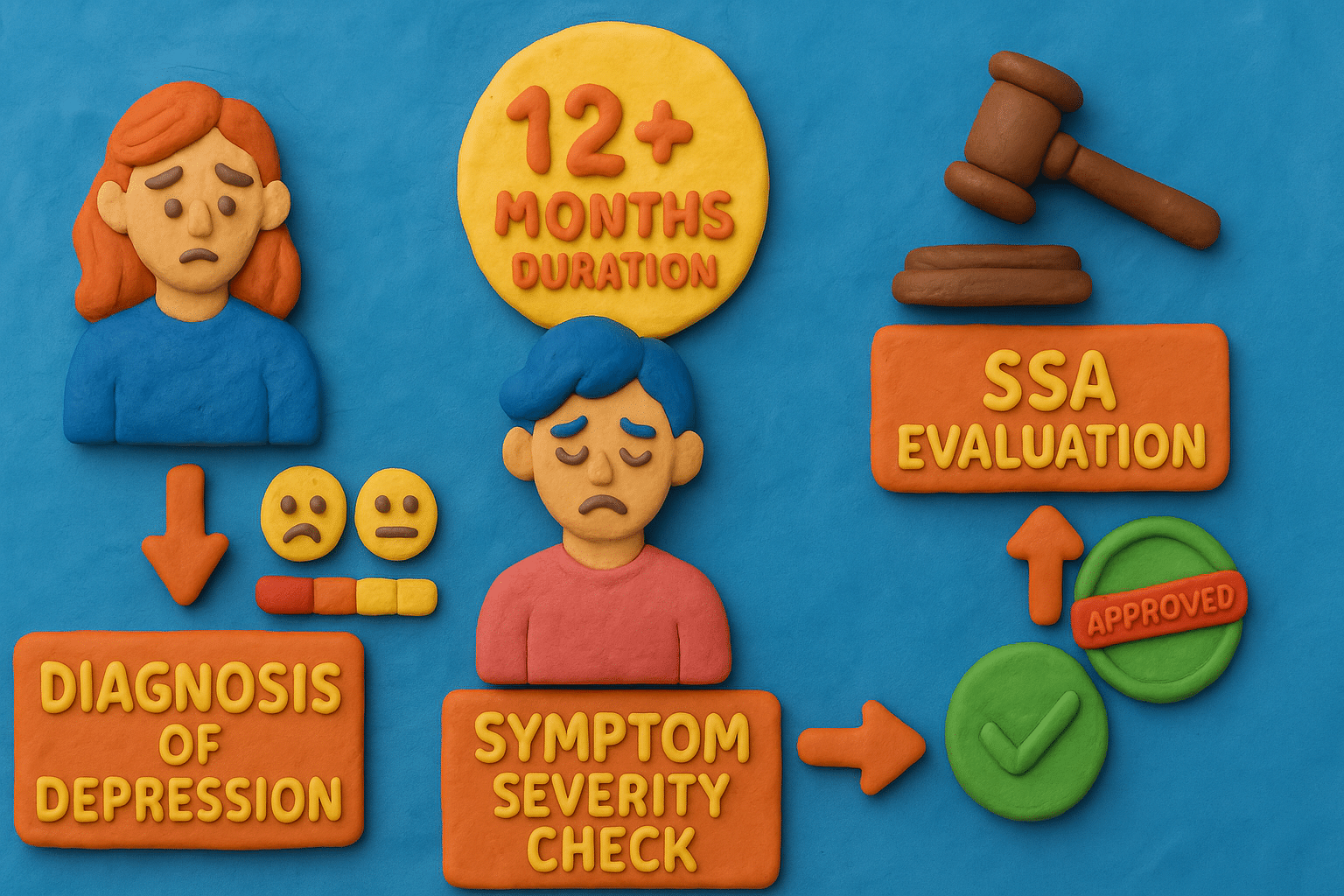
Understanding this framework helps demystify why not all depression cases qualify—severity and impact on work are paramount.
Key Symptoms of Depression That Impact SSDI Eligibility
Symptoms of depression vary but must be severe enough to limit basic work activities. Common ones include persistent sadness, loss of interest in activities (anhedonia), fatigue, sleep disturbances, appetite changes, feelings of worthlessness, concentration difficulties, and suicidal thoughts.
For SSDI, these symptoms need to demonstrably affect your ability to perform job duties. For instance, concentration issues might prevent someone in a high-stress Virginia tech job from meeting deadlines, while fatigue could hinder physical labor in agricultural areas of the Shenandoah Valley.
In neighboring states like North Carolina, similar symptoms are evaluated, but Virginia’s SSA offices emphasize functional limitations. Documenting how symptoms like irritability or psychomotor agitation/retardation disrupt daily life is crucial.
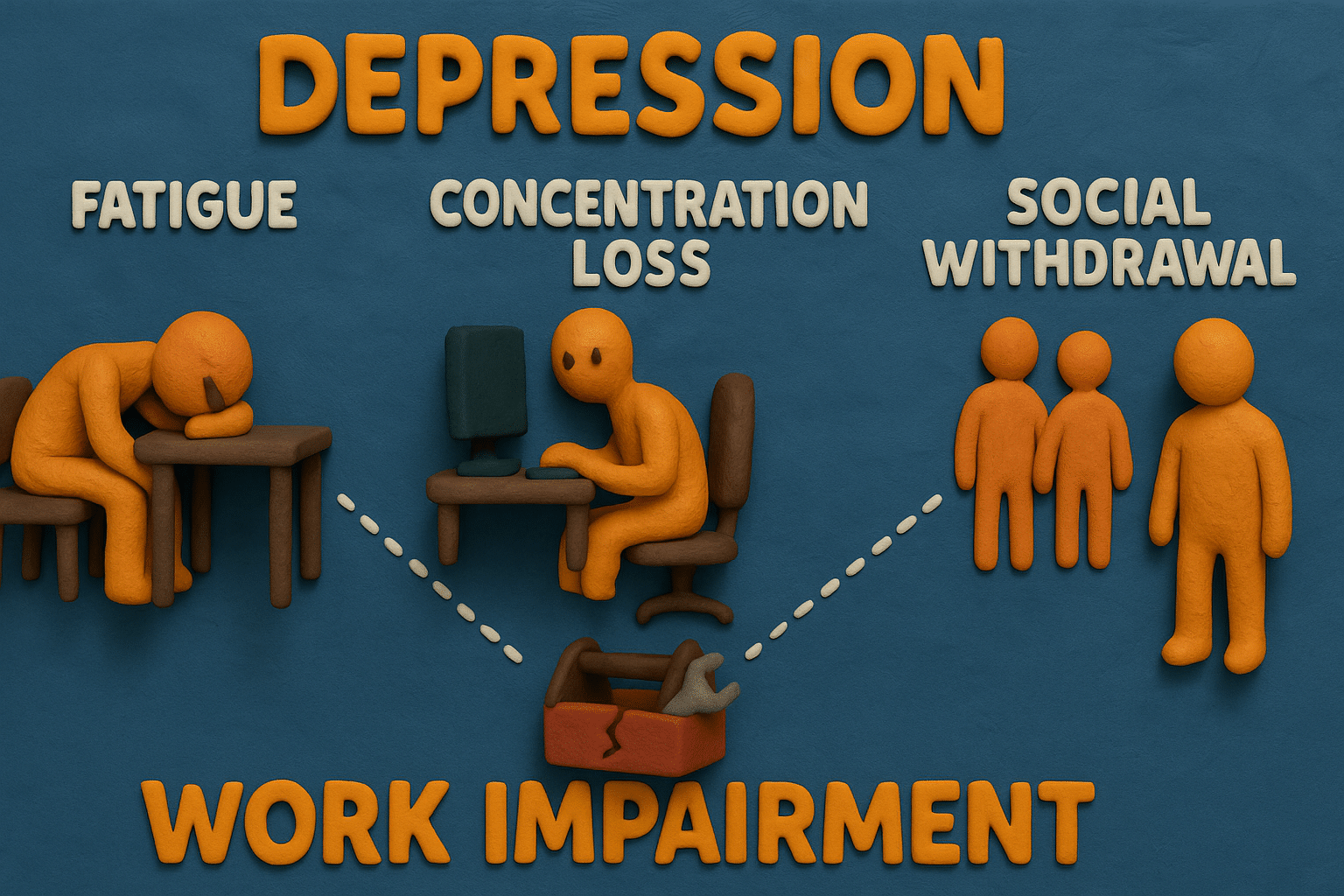
By focusing on these symptoms, claimants can better align their narratives with SSA expectations.
SSA Mental Listings for Depression: What You Need to Know
The SSA uses its “Blue Book” of impairments to evaluate claims. Depression falls under Listing 12.04: Depressive, Bipolar, and Related Disorders. To meet this listing, you must show medical documentation of depressive syndrome with at least five symptoms from a specific list, plus extreme limitation in one or marked limitation in two areas of mental functioning: understanding/remembering/applying information, interacting with others, concentrating/persisting/maintaining pace, or adapting/managing oneself.
If you don’t meet the listing exactly, the SSA assesses residual functional capacity (RFC) to see if you can perform any work. In Virginia, administrative law judges (ALJs) in hearing offices like those in Richmond scrutinize these listings closely.
For detailed criteria, visit the SSA’s official page: SSA Mental Disorders Listings.
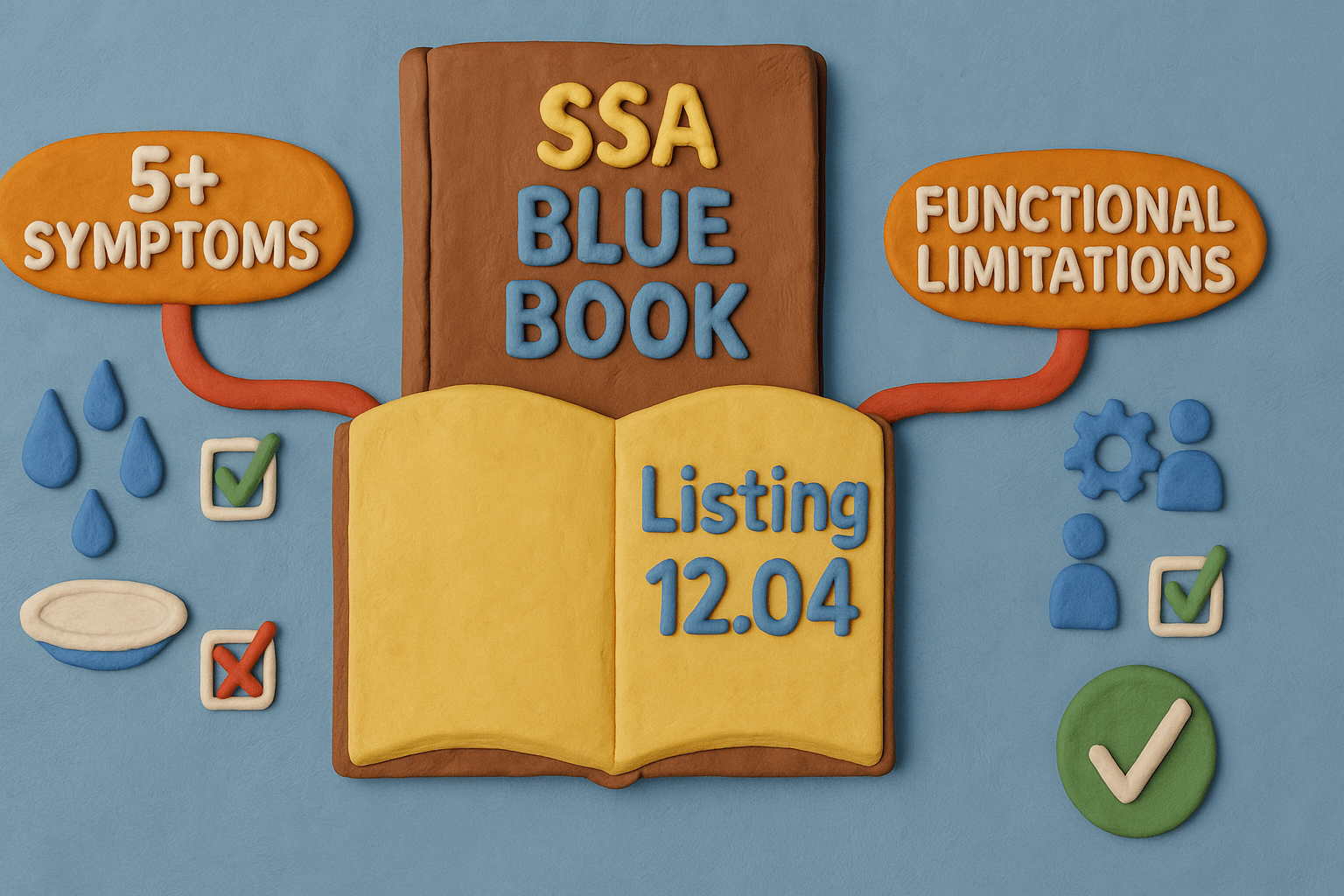
Mastering these listings can be the difference between approval and denial.
Qualifying for SSDI with Depression in Virginia: State-Specific Considerations
Qualifying for SSDI with depression in Virginia involves navigating both federal rules and state nuances. Virginia’s Disability Determination Services (DDS) handles initial reviews, often requiring consultative exams if evidence is insufficient. With expansion plans to neighboring states, factors like cross-border healthcare (e.g., accessing specialists in DC or Tennessee) become relevant.
Those seeking qualifying for ssdi with depression should familiarize themselves with local resources for optimal support.
In rural Virginia areas, limited mental health providers can complicate documentation, while urban spots like Norfolk offer more options. Surrounding states’ reciprocity in medical records aids claims for those near borders.
Strategies include leveraging Virginia’s mental health courts or community services boards for support letters. Understanding local wait times—averaging 3-5 months for initial decisions—helps in planning.
Effective Claim Strategies for SSDI with Depression
Building a winning claim requires strategy. Start with thorough medical records from psychiatrists, therapists, and primary care doctors. Include treatment history like medications (e.g., SSRIs) and therapy types (CBT, ECT).
When qualifying for ssdi with depression, personal narratives can strengthen your case significantly.
Submit a detailed function report highlighting how depression affects work, using specific examples. Enlist a Virginia-based SSDI attorney familiar with local ALJs to represent you at hearings.
Appeal promptly if denied—over 60% of initial claims are rejected, but appeals succeed more often. Track symptoms in a journal to support ongoing severity.
Documenting your journey of qualifying for ssdi with depression can be a powerful tool during hearings.
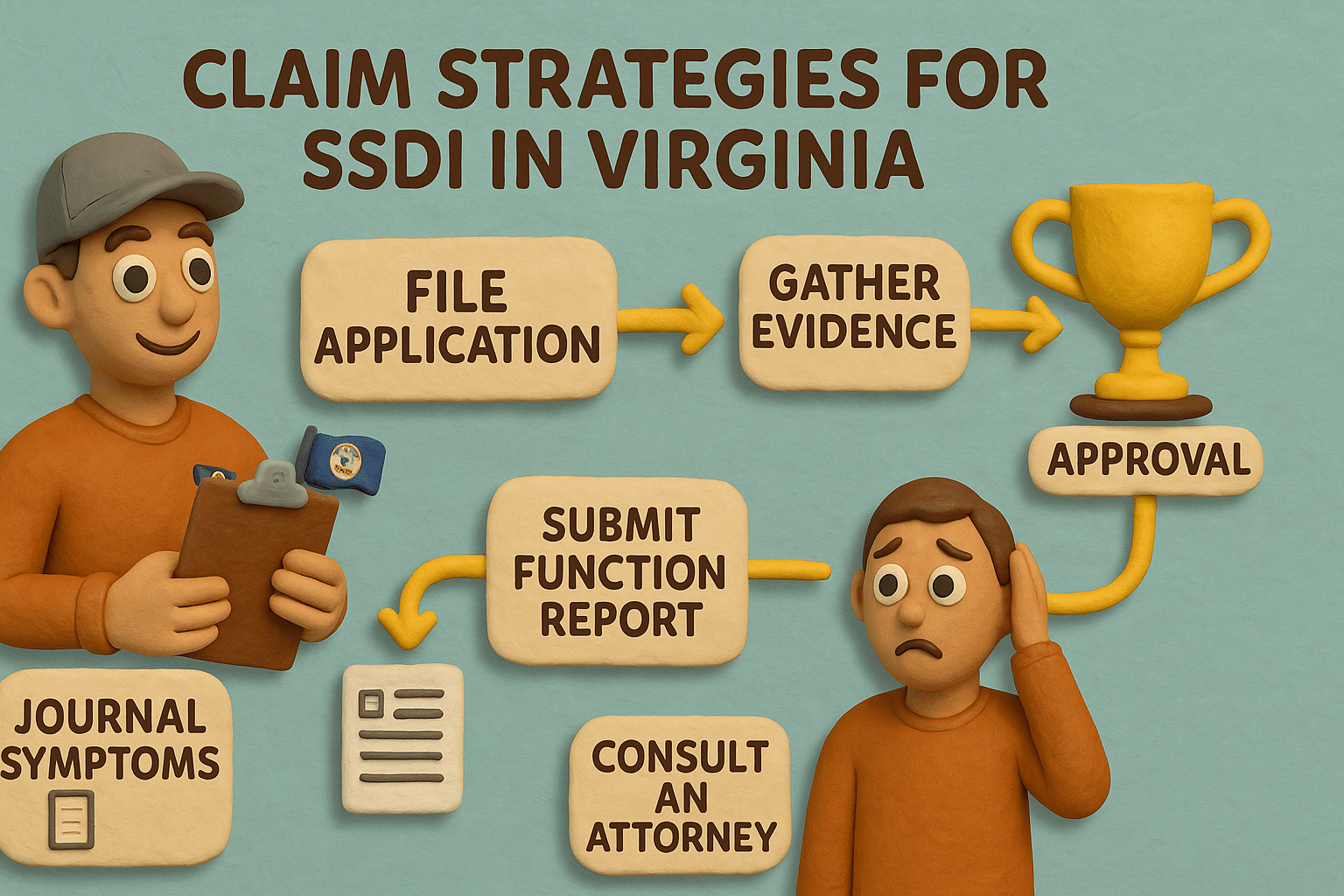
Implementing these can boost approval rates significantly.
Gathering Medical Evidence for Your Depression Claim
Evidence is the backbone of your claim. Collect records showing diagnosis, treatment compliance, and functional impacts. Include psychological evaluations, hospital stays, and statements from employers about performance declines.
In Virginia, request records from facilities like Virginia Commonwealth University Health or community clinics. For surrounding states, ensure HIPAA-compliant transfers.
Quantitative tools like PHQ-9 scores demonstrate severity. Third-party statements from family or coworkers corroborate daily limitations.
Common Challenges and How to Overcome Them
Persistence is key when qualifying for ssdi with depression; every effort counts towards your goal.
Challenges include stigma delaying treatment, inconsistent records, or SSA skepticism toward “invisible” illnesses. Overcome by seeking immediate care, maintaining regular visits, and using RFC forms to quantify impairments.
In hearings, prepare for questions on daily activities—practice honest responses. If expanding to states like Kentucky, note varying DDS backlogs.
With persistence, many overcome these hurdles for successful claims.
Watch and Listen: Expand Your Understanding
Struggling with the invisible weight of depression while navigating SSDI claims can leave you feeling isolated and overwhelmed—especially when symptoms like relentless fatigue make reading dense guides challenging. Our video breaks it down with visual demonstrations, including real-life scenarios of symptom impacts and step-by-step animations of the SSA evaluation process. You’ll gain unique benefits like seeing expert tips from Virginia attorneys on avoiding common pitfalls, plus interactive charts that clarify mental listings. Don’t let confusion hold you back; watch now to visualize your path to approval and feel empowered in just minutes.
Explore various resources on qualifying for ssdi with depression to empower your journey.
In today’s fast-paced world, finding time to dive deep into SSDI topics amid depression’s demands is tough—but our podcast makes it effortless. Listen while commuting through Virginia’s traffic or relaxing at home, absorbing expert insights from mental health professionals and successful claimants. We discuss nuanced strategies, including interviews on regional challenges in surrounding states, all in an audio format that lets you multitask without strain. Highlighting the convenience of on-the-go learning, this episode equips you with actionable advice to strengthen your claim. Tune in today and transform your understanding without lifting a finger.
Dive Deeper into Mental Health SSD Claims
If you’re seeking more insights on how mental health conditions intersect with SSDI, explore our previous post that complements this guide. It offers practical advice on building strong evidence for similar claims, helping you avoid denials and streamline your process. Mental Health SSD Claims: Key Strategies for Success
Our previous posts provide valuable insights into the process of qualifying for ssdi with depression.
Frequently Asked Questions
What are the main symptoms of depression that qualify for SSDI in Virginia?
Main symptoms include persistent sadness, loss of interest, fatigue, concentration issues, and sleep disturbances that severely limit work ability for at least 12 months. Documentation showing impact on daily functioning is essential.
How do SSA mental listings apply to depression claims?
Listing 12.04 requires five or more depressive symptoms plus marked limitations in at least two areas of mental functioning, like interacting with others or maintaining pace.
What strategies can improve my SSDI claim for depression?
Gather comprehensive medical evidence, submit detailed function reports, appeal denials promptly, and consult a Virginia SSDI attorney for hearing preparation.
Can I qualify for SSDI with depression if I live near Virginia’s borders?
Yes, residents in surrounding states can apply similarly, but use local DDS offices; cross-border medical records strengthen claims.
How long does the SSDI process take for depression in Virginia?
Initial decisions take 3-5 months; appeals can extend to 12-18 months, varying by caseload in offices like Richmond.
Knowing your rights is crucial when qualifying for ssdi with depression; seek guidance as needed.
At Harbison & Kavanagh, we are dedicated to helping you navigate the SSDI application and appeals process. If you believe you qualify for SSDI and have questions, call us today at (804) 888-8000, or visit our contact page to schedule a free consultation. Our experienced lawyers are here to provide the support and guidance you need.
Related Posts